
Close
There’s something exciting about the moment a contractor turns up with machinery and starts your build. But if you think the project starts when the digger arrives, you’re wrong. The most critical phase of any construction project happens before anyone picks up a tool or pours any concrete. Site preparation is where projects succeed or fail, and most homeowners in Manchester have absolutely no idea what should be happening during this stage. A contractor who rushes straight into groundwork without proper site prep is setting you up for delays, cost overruns, and potentially serious structural problems down the line. This guide walks you through exactly what a professional main contractor should be doing to prepare your Manchester site before breaking ground, and why each step matters more than you might think.
Site prep isn’t just admin and paperwork. It’s the foundation, literally and figuratively, of everything that comes afterwards. Poor site preparation causes around 10 to 15 percent of total construction project costs through delays, remedial work, and unforeseen complications. Ground conditions in Manchester are particularly challenging because of the city’s industrial history. Coal mining legacy, clay soils, and high water tables create complications that don’t exist in other parts of the country.
If your contractor doesn’t investigate the ground properly before digging, they might hit unexpected problems like mine shafts, contaminated land, poor bearing capacity, or underground services that aren’t on any plans. Each of these can stop work for weeks while solutions are engineered and costs spiral. A proper site prep phase identifies these issues before work starts, when they’re much cheaper and easier to deal with. It also establishes legal protections, gets all the necessary permissions in place, and sets up systems that keep the site safe and compliant throughout the build. Skip or rush this phase and you’re gambling with tens of thousands of pounds.
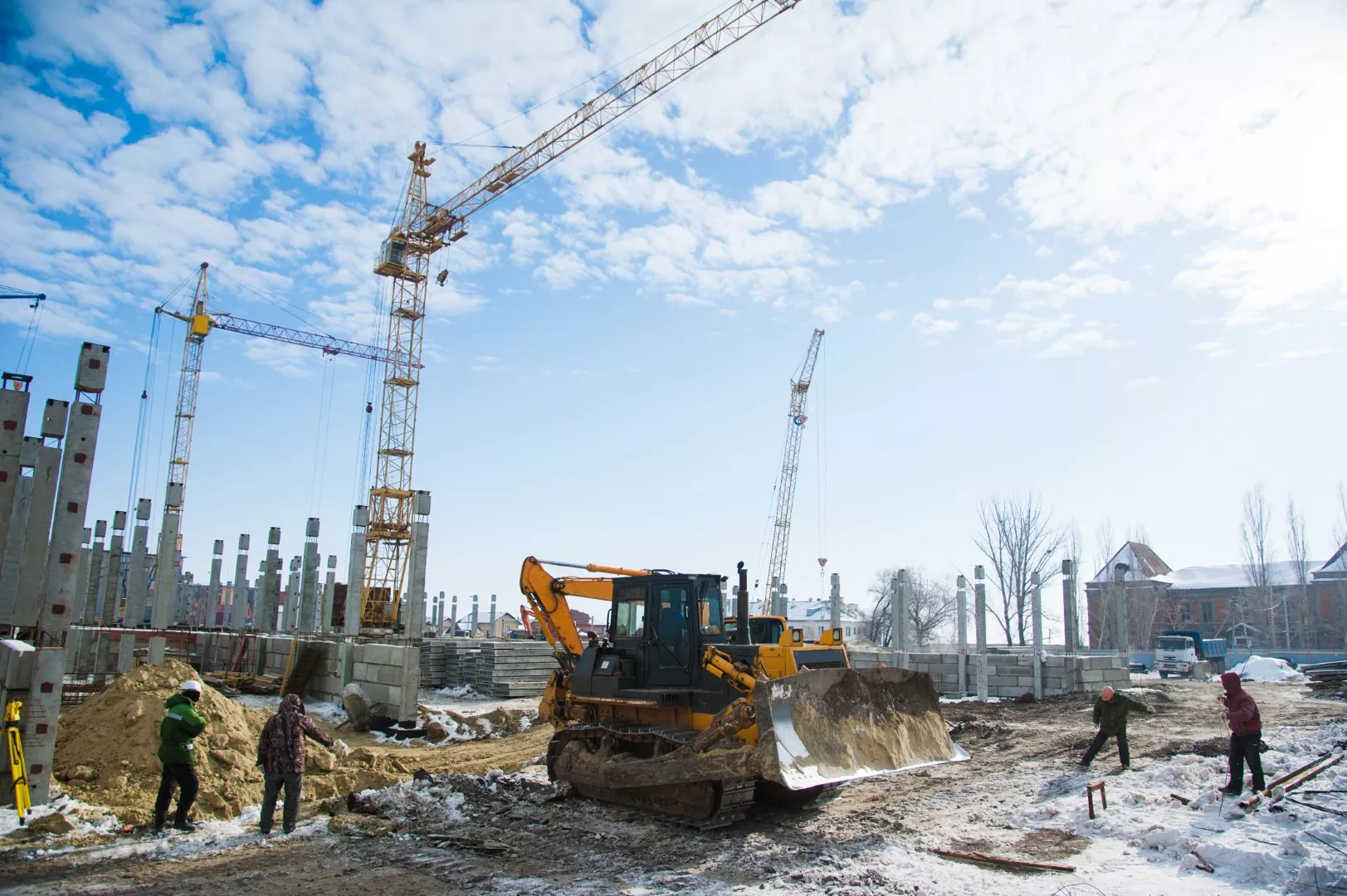
Here’s what should be happening on your Manchester site before any construction work begins.
The very first step is getting a professional land surveyor to establish exactly where your building will sit. The surveyor marks out the plot boundaries, measures distances from neighbouring properties and boundaries, establishes existing ground levels and contours, identifies any existing structures or features, and marks the position of the proposed building on the ground. This information gets recorded on a site plan that becomes the reference document for the entire project.
In Manchester, where terraced houses and tight urban plots are common, accurate setting out is crucial. If your extension is even 100mm too close to the boundary, you could be in breach of planning permission or party wall agreements. The surveyor’s work also feeds into your structural engineer’s calculations and your building control submissions. Most land surveys for residential projects in Manchester cost between £500 and £1,500 depending on the complexity of the site.
Before anyone starts digging, you need to know what’s underground. Your contractor should commission a utility survey that identifies the location and depth of water mains, gas pipes, electricity cables, telephone lines, drainage and sewers, and any old or abandoned services. In Manchester especially, Victorian and Edwardian properties often have services that aren’t shown on any modern plans.
The survey is usually done with a combination of existing records, ground penetrating radar, and electromagnetic detection equipment. Once services are located, they’re marked on the ground with paint or pegs. This isn’t just about avoiding expensive damage when digging. Striking a gas main or electricity cable can be fatal. The Health and Safety Executive requires contractors to identify underground services before excavation begins. A good contractor won’t skip this step regardless of cost.
This is where Manchester sites get interesting. Ground investigation involves test pits or boreholes to establish soil type and composition, bearing capacity of the ground, depth to rock or firm strata, groundwater level and seasonal variation, and any contamination from previous industrial use. The information goes to your structural engineer who designs foundations to suit the actual ground conditions rather than making assumptions.
Manchester sits on glacial deposits over Triassic mudstones and sandstones, but the actual ground conditions vary enormously across the city. Former mill sites and industrial areas often have made ground, buried foundations, or contamination that needs dealing with. Areas with historic coal mining require mining reports to check for shallow mine workings or coal authority constraints. A proper ground investigation for a residential site costs £1,500 to £3,000 but it can save you tens of thousands if it identifies problems early.
Any building constructed before 2000 might contain asbestos, and in Manchester that includes most of the housing stock. Before any demolition or alteration work, a licensed asbestos surveyor must inspect the property and identify any asbestos containing materials. If asbestos is present, it must be removed by licensed contractors before any other work proceeds. Ignoring this isn’t just illegal, it’s deadly.
Similarly, sites with previous industrial use or near former industrial areas should be tested for contamination. Manchester’s industrial past means many residential sites sit on former factory land, coal yards, or chemical works. Contaminated soil needs remediation before you can build safely. Testing adds a few weeks and a few thousand pounds to the programme, but discovering contamination after you’ve started building is far worse.
If your project needed planning permission, your contractor should check that the approved plans are what they’re actually building. This sounds obvious but it’s surprising how often details drift between planning submission and construction. Check the planning decision notice for any conditions that need discharging before work starts. Common conditions include material samples, landscaping details, drainage strategies, or ecology reports.
Some conditions must be satisfied before commencement, others before occupation. Your contractor needs to know which is which and make sure everything required is submitted to Manchester City Council and approved before the relevant stage. Failing to discharge planning conditions can result in enforcement action, and mortgage lenders won’t lend against properties with unresolved planning issues. This can destroy your ability to sell later.
Even if you didn’t need planning permission, you definitely need building regulations approval for any structural work. Your contractor should have submitted either a full plans application or a building notice to building control, typically several weeks before starting on site. The full plans route is better because it gets your structural details checked and approved before construction, reducing the risk of expensive changes on site.
Building control will want to see structural calculations, foundation details, thermal performance specifications, drainage plans, and fire safety provisions. In Manchester, local building control officers are familiar with the specific challenges of building in the city and can give valuable feedback on your proposals. Once approved, building control will inspect the work at key stages like foundations, drainage, structure, insulation, and completion. Your contractor needs to book these inspections at the right times and not proceed until approval is given.
Construction traffic causes problems in residential areas if not managed properly. Your contractor should assess access routes for large vehicles and plant, identify any width or height restrictions, establish where materials will be delivered and stored, agree parking arrangements for workers’ vehicles, and arrange any necessary road closures or traffic management. In many Manchester streets, especially Victorian terraces, access is tight and parking is limited.
Some projects need skips on the road which require permits from Manchester City Council. Others need scaffolding that overhangs the pavement, which also needs licensing. If your build is on a busy road or near a school, you might need formal traffic management with signage and barriers. Sorting all this out before work starts prevents your project getting shut down by the council or complaints from neighbours derailing everything.
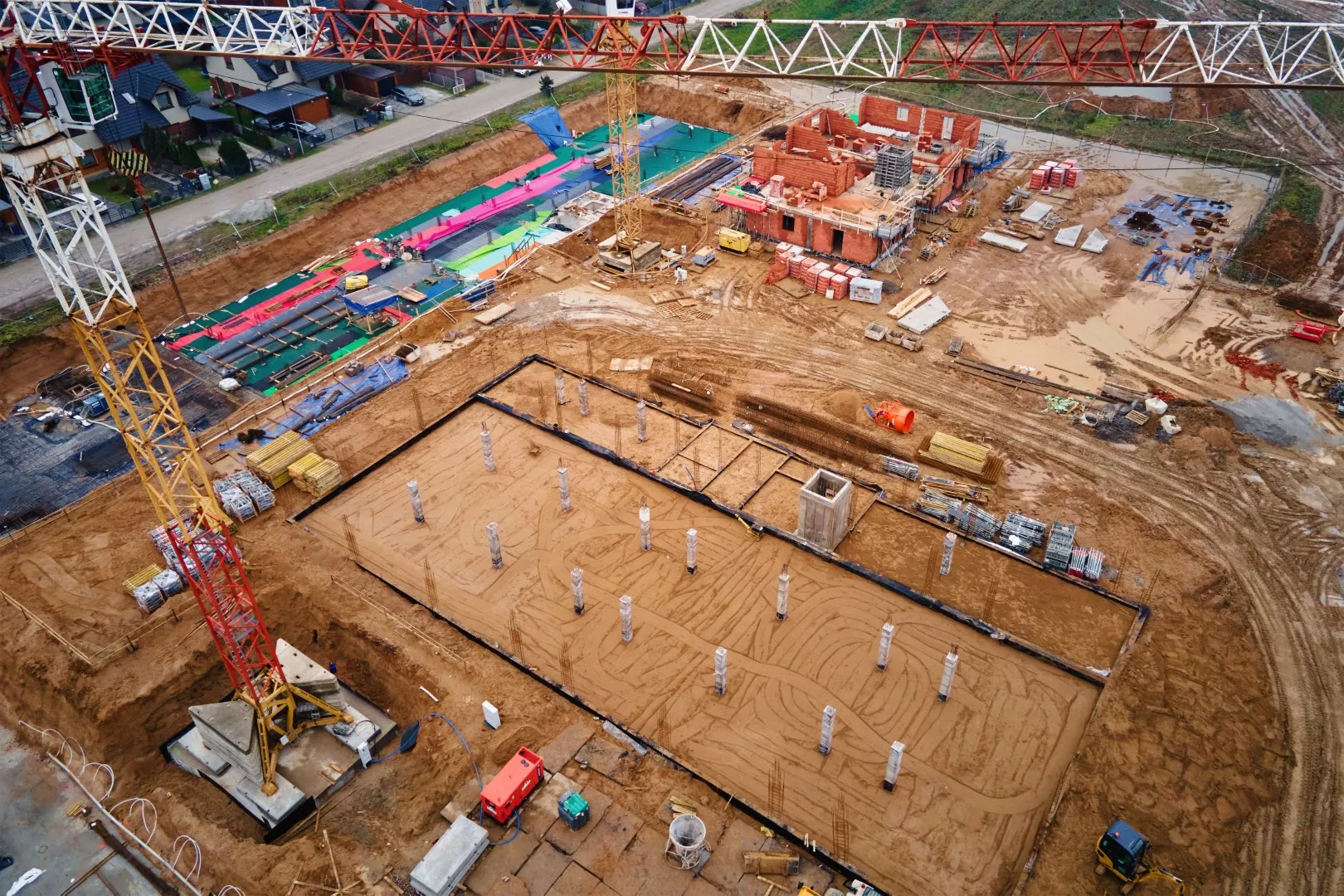
Construction projects generate huge amounts of waste. A professional contractor will have a waste management plan that covers segregation of different waste types, licensed waste carriers and disposal sites, recycling targets and how they’ll be achieved, and documentation to prove legal disposal. The Duty of Care regulations require contractors to handle waste legally and keep transfer notes for everything that leaves site.
Fly-tipping construction waste is illegal and carries serious penalties. If your contractor is taking waste away in an unmarked van or can’t provide waste transfer notes, they’re almost certainly disposing of it illegally. That makes you liable too as the householder. A proper waste management plan isn’t just good practice, it’s a legal requirement and a mark of a professional operation.
Under CDM 2015 regulations, any project involving more than one contractor or lasting more than 30 days must have specific health and safety planning. Your main contractor as the principal contractor must produce a construction phase plan before work starts. This document covers site-specific hazards and how they’ll be managed, welfare facilities for workers, emergency procedures, and how different contractors will be coordinated.
The construction phase plan isn’t just a paper exercise. It’s a working document that guides how the site operates. Inspectors from the Health and Safety Executive can request to see it at any time, and failing to have adequate arrangements is a serious offence. A contractor who doesn’t mention health and safety planning is either ignorant of the law or deliberately ignoring it. Either way, walk away.
Before work starts, the site needs securing. This typically involves erecting site fencing or hoarding around the perimeter, installing lockable gates, setting up external lighting if work will continue after dark, and arranging security patrols if the site will be unattended. In urban Manchester locations, theft of tools and materials is a real problem. Secure sites are also essential for public safety to prevent unauthorised access.
For projects affecting neighbouring properties, protective barriers or scaffolding might be needed to prevent damage from falling materials. Party wall agreements often specify what protection must be in place before work affecting the shared wall begins. Your contractor should photograph the condition of neighbouring properties before starting work to establish a baseline in case of later disputes about damage.
Construction sites need water, electricity, and welfare facilities for workers. Your contractor should arrange temporary water supply for the site, either from your existing supply or a separate connection, temporary electrical supply and distribution, secure tool storage, and welfare facilities including toilets and somewhere for workers to take breaks. Under health and safety law, adequate welfare facilities are mandatory.
For small domestic projects, your contractor might use your existing water and electricity with your permission. For larger projects, separate metered supplies are better to avoid disputes about consumption. Some sites need generators or water bowsers if permanent connections aren’t available. All of this needs planning and installing before the workforce arrives.
Once all the planning, surveys, and legal work is done, physical site prep can begin. This involves removing vegetation, trees, and shrubs from the building footprint, demolishing any existing structures that are being replaced, clearing debris and rubbish, and stripping topsoil and storing it for reuse in landscaping. In Manchester, many sites have mature trees that are protected by Tree Preservation Orders or are in conservation areas.
Removing protected trees without permission is a criminal offence with serious penalties. Your contractor should check the planning decision and any tree reports before removing anything. Vegetation clearance is also the point where ecological surveys become relevant. Bats, nesting birds, and other protected species are surprisingly common in Manchester, and disturbing them during construction is illegal. A good contractor identifies these issues during site prep rather than discovering them after work has started.
Professional sites have proper facilities for managing the project. This might include a site office or cabin for meetings and paperwork, secure storage for tools and valuable materials, covered storage for materials that must be kept dry, and designated areas for different trades to work. Small domestic projects might not need formal site offices, but there should still be somewhere secure to store drawings, health and safety documentation, and site records.
Materials delivered early need protecting from weather and theft. Leaving expensive materials exposed on an urban Manchester site overnight is asking for trouble. A contractor who just dumps everything on your drive without secure storage is showing you how carefully they’ll manage the rest of your project.
Before breaking ground, a thorough contractor documents everything. This includes photographs of the existing site and neighbouring properties, utility locations marked and recorded, boundary positions confirmed, ground levels measured and recorded, and condition surveys of any retained structures. This documentation protects both you and the contractor if disputes arise later about damage, ground conditions, or what was agreed.
Digital records are ideal because they’re timestamped and can’t be disputed. Many contractors now use software that links photos directly to site plans and maintains a full audit trail. This level of professionalism costs nothing but provides enormous protection if things go wrong.

Site preparation for most residential projects in Manchester takes between two and six weeks depending on complexity. A straightforward extension on a modern plot with no complications might only need two weeks. A full renovation of a Victorian terrace on potentially contaminated land with party wall issues and planning conditions could easily take six weeks or more before any construction starts.
Contractors who promise to start immediately without proper site prep are cutting corners. The surveys, investigations, and legal work take time to commission and complete. You can’t rush a ground investigation or get planning conditions discharged overnight. A realistic programme includes proper time for site prep, and a professional contractor will explain what’s happening during this phase rather than treating it as dead time.
I’ve seen plenty of projects where contractors skipped site prep to save time or money. The consequences are always worse than the time saved. Common problems include hitting unexpected services and stopping work for emergency repairs, discovering poor ground conditions after foundations are dug, requiring expensive redesign, finding contamination or asbestos partway through the build, having work stopped by building control or the HSE for non-compliance, and disputes with neighbours over damage or party wall issues.
Each of these scenarios costs more time and money to fix than proper site prep would have cost in the first place. Worse, they create stress and conflict that damages the relationship between you and your contractor. A project that starts badly rarely recovers. Proper site prep is insurance against these problems. It’s not an optional extra to be value-engineered out, it’s fundamental to delivering a successful build.
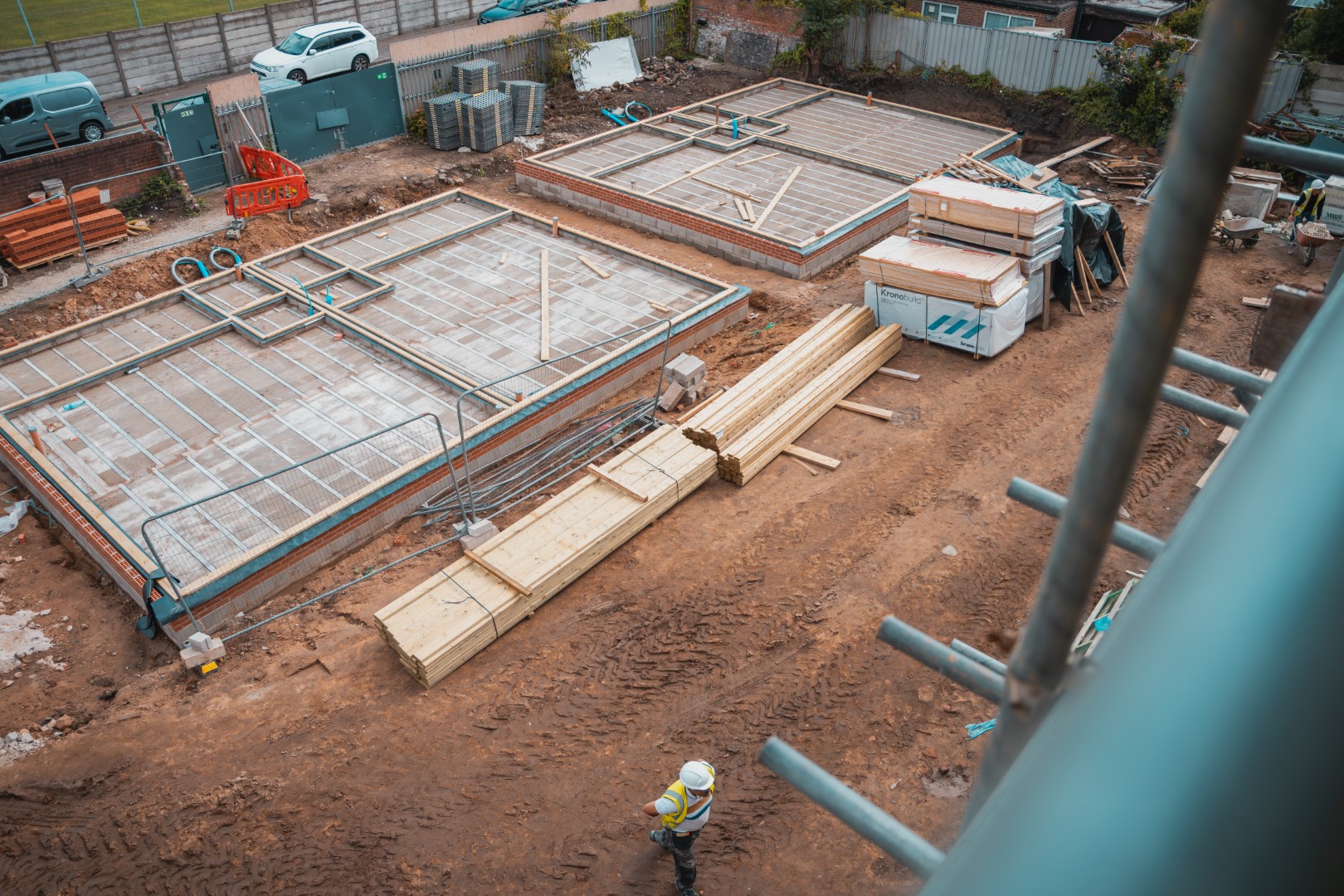
Before you hire a main contractor in Manchester, ask them specifically about site prep. What surveys and investigations do they recommend for your site? How will they check for underground services? What’s their process for getting building regulations approval? How will they manage site access and parking? What welfare facilities will they provide? How will they secure the site and manage waste?
A contractor who answers these questions confidently with specific details knows what they’re doing. One who brushes them off or says they’ll figure it out as they go is showing you they don’t have proper systems. Site prep is where professionalism shows itself, and it’s worth paying for.
We never start a project without thorough site preparation because we know it’s where success is built. Our process includes all necessary surveys and investigations commissioned upfront, full compliance checks on planning and building regulations, detailed health and safety planning before anyone sets foot on site, and proper welfare facilities and site security from day one.
Dream Homes Construction is known for its reliable, highly skilled tradespeople and its full-service approach, covering design, build and completion. Every project is covered by public liability insurance and a works warranty for total peace of mind. We factor site prep time and cost into our programmes from the start, so you know exactly what’s happening and why. Our experience across Manchester means we understand the specific challenges of building in this city, from mining legacy to contaminated land to tight urban sites. Get in touch to discuss your project and we’ll walk you through exactly what site prep your build needs and why it matters. We’d rather spend two weeks preparing properly than six months fixing problems that proper preparation would have prevented.
