
Close
Delays are one of the most common frustrations in building projects across Manchester. What starts as a clear plan can quickly slip, adding weeks or months to the timeline. That extra time often means extra cost, more stress, and disruption to daily life. With construction in Manchester staying busy all year round, small issues can turn into big hold-ups if they are not handled early. The good news is that most delays are predictable, and many can be avoided with the right planning, people, and approach.
Building delays rarely come from one single problem. Most projects slow down due to a mix of planning issues, supply problems, communication gaps, and simple human decisions. Manchester adds its own challenges, such as busy planning departments, changeable weather, and high demand for skilled trades.
In many cases, delays start before work even begins. Rushed designs, unclear budgets, or missing approvals can push timelines back before the first skip arrives. Once work is on site, poor coordination between trades, late deliveries, or slow decisions can stop progress.
The key thing to understand is that delays are not always bad luck. They usually come from weak preparation, lack of local knowledge, or unclear responsibility. Spotting these risks early makes a huge difference.
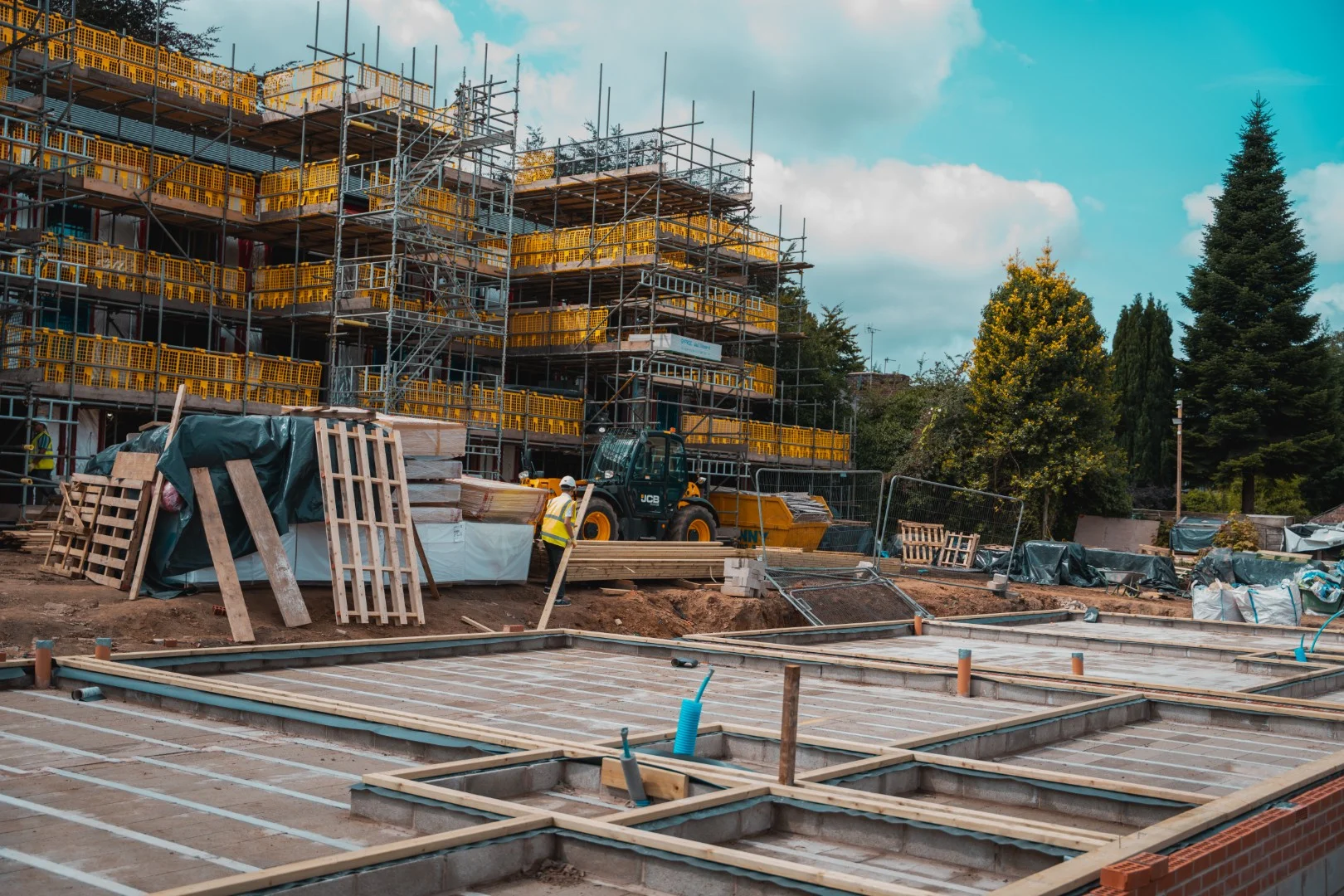
Planning permission is one of the biggest causes of building delays Manchester homeowners face. Local councils handle large numbers of applications, and even small issues can lead to requests for changes or extra information. A single missing drawing or unclear detail can add weeks.
To avoid this, make sure plans are complete and realistic before submission. Work with professionals who understand Manchester planning rules and local expectations. Pre-application advice can also help flag issues early. Never assume approval will be quick, even for smaller projects.
Building realistic time into your schedule for approvals helps reduce stress and avoids rushing decisions later.
Changing your mind after work starts is one of the fastest ways to cause delays. Adjusting layouts, materials, or finishes often means re-ordering supplies and re-booking trades. Even small changes can stop progress on site.
Clear plans and a fixed scope before work begins are vital. Take time to finalise designs and walk through every detail on paper. Ask questions early and make sure everyone agrees on what is included.
If changes are unavoidable, decide quickly and understand the impact on time and cost before approving them.
A build relies on trades working in the right order. If one trade runs late, everyone else is affected. Poor scheduling can leave teams waiting around or working out of sequence, which slows everything down.
Strong coordination is essential. A clear programme showing who is on site and when keeps work flowing. Regular check-ins help spot issues before they become delays.
Using an experienced Manchester main contractor who manages all trades under one plan reduces gaps and keeps momentum on site.
Material delays have become more common in recent years. Popular items can sell out, and delivery times can change without much notice. If key materials do not arrive on time, work can grind to a halt.
Ordering early is the best defence. Confirm lead times before work starts and avoid last-minute choices. Where possible, choose materials with reliable local supply.
Good builders in Manchester also plan work around deliveries and have backup options ready if something is delayed.
Manchester weather is unpredictable, and rain can slow down groundwork, brickwork, and roofing. Wet conditions also affect drying times for concrete, plaster, and finishes.
While weather cannot be controlled, it can be planned for. Build schedules should allow flexibility during wetter months. Tasks that can be done indoors should be planned around expected bad weather.
Experienced teams know how to adjust work without stopping the whole project.
Delays often happen when questions go unanswered. Waiting days for approval on a small detail can stop progress entirely. Misunderstandings between homeowners and builders can also lead to rework.
Clear communication channels help avoid this. Decide who makes decisions and how quickly. Regular updates keep everyone aligned and reduce confusion.
Quick responses keep projects moving. Even a short delay can cause knock-on effects across the whole schedule.
Without strong project management, small issues pile up. Missed deliveries, clashing trades, and unclear responsibilities create constant delays.
Good project management means planning ahead, tracking progress, and fixing problems early. It also means keeping paperwork, schedules, and budgets organised.
This is where a reliable Manchester main contractor makes a real difference, taking control of the moving parts and keeping the build on track.
Time overruns almost always mean higher costs. Labour is often booked by the day or week, so longer projects cost more. Trades may need to return at a later date, often at a higher rate.
Material prices can also rise if projects drag on. Delays may force re-orders or result in wasted materials stored on site too long. Temporary services like scaffolding, site security, and skips also add up over time.
There is also the personal cost. Extended projects mean longer disruption, extra rent or mortgage overlap, and added stress. Keeping projects on time is not just about convenience, it is about protecting the budget.

Good planning starts long before work begins. Clear designs, fixed budgets, and realistic timelines create a strong base. Rushing this stage almost always causes problems later.
Homeowners should take time to understand the build process and ask questions early. Site access, neighbour agreements, and utility connections should be sorted in advance.
A clear schedule that accounts for approvals, deliveries, and weather reduces surprises. Contingency time should be built in, especially for larger projects like new build homes Manchester homeowners plan.
Strong planning turns unknown risks into managed steps and keeps projects moving smoothly.
Local experience matters more than many people realise. Builders in Manchester understand local planning departments, suppliers, and common site challenges. They know which approvals take longer and which materials are easiest to source nearby.
A local Manchester main contractor also has established trade networks. This helps secure reliable labour and avoid last-minute gaps. Familiarity with Manchester conditions, from soil types to weather patterns, reduces guesswork.
For home improvement Manchester projects, local knowledge often saves weeks by avoiding common mistakes and delays seen again and again.
Dream Homes Construction has built a strong reputation for dependable work and skilled trades, offering a complete service from design through to final handover. Every project is protected with public-liability cover and a works warranty, giving homeowners peace of mind from day one.
By focusing on clear planning, tight coordination, and honest communication, the team works to keep projects moving and avoid unnecessary delays. Local experience in construction in Manchester means potential issues are spotted early, not after they cause problems.
With the right systems and people in place, projects stay organised, costs stay controlled, and timelines stay realistic.
