Close
It’s one of the most common questions Manchester homeowners ask when their house starts feeling too small. Do you build out into the garden, or do you convert the loft and add a floor you didn’t have before? Both routes give you more space. Both can add real value. But they work in different ways, suit different properties, and solve different problems. Getting this decision wrong is expensive, so it’s worth spending some time on it before you pick up the phone to a builder. This guide lays out the honest comparison so you can make the right call for your home.
Manchester’s housing is almost entirely made up of Victorian and Edwardian terraces and semi-detached properties. That matters because these houses come with specific characteristics that affect both options significantly. The lofts in pre-1960s properties tend to have traditional cut and pitched roof structures rather than modern trussed roofs. That’s actually good news, because they’re far easier to convert. The attic space tends to be larger, with better headroom, and the existing timbers can usually support a new floor with less structural intervention.
At the same time, most Manchester terraces and semis have modest rear gardens and side returns that are well suited to rear or wraparound extensions. The ground conditions are generally workable, and the majority of residential streets sit outside conservation area restrictions, so permitted development rights apply to a large proportion of properties in the city.
The result is that in Manchester, both options are genuinely viable for most homeowners. The question comes down to what you actually need, how much you want to spend, and which parts of the house are already letting you down.
Before comparing value, it helps to be clear on what you’re actually buying with each route.
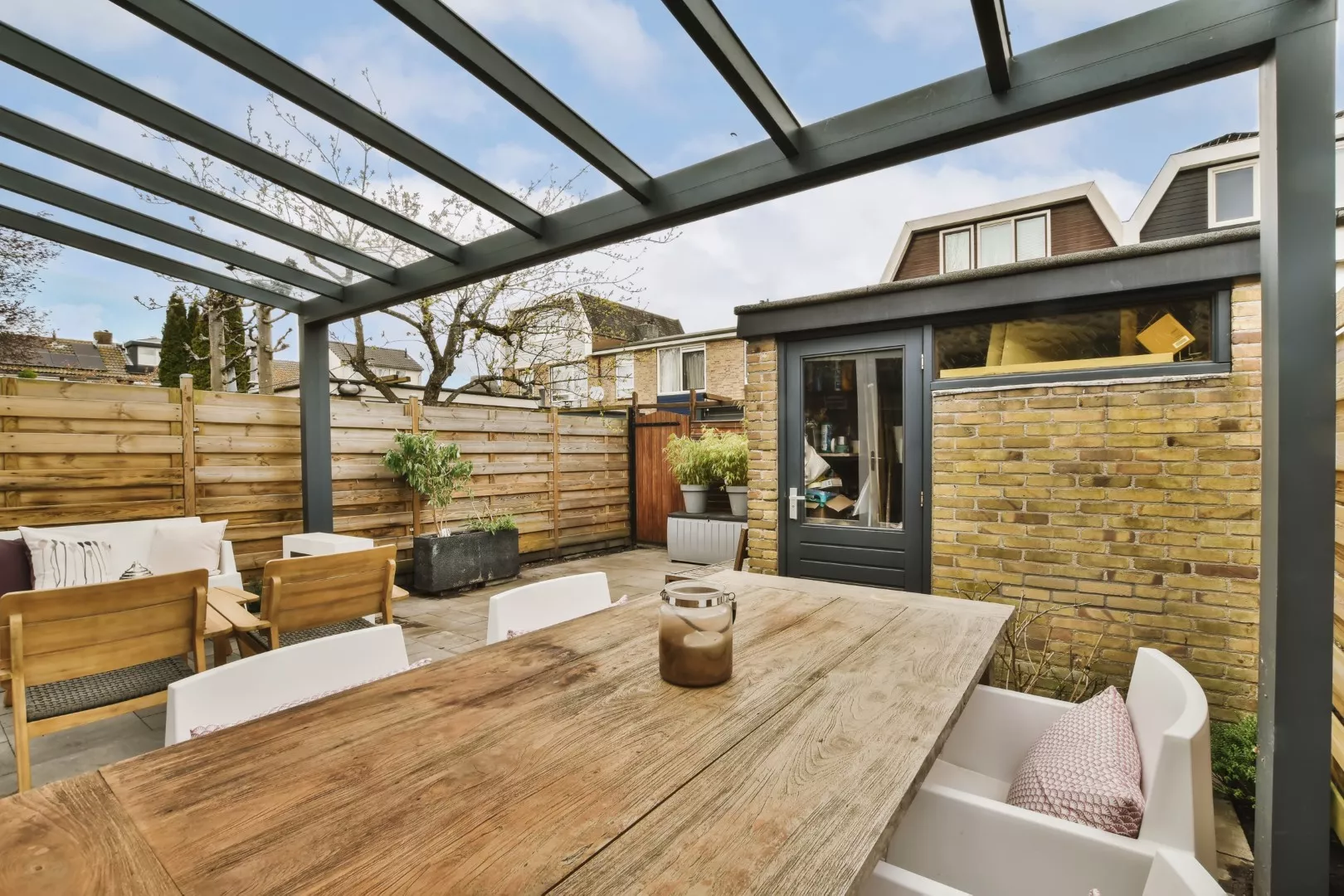
A rear extension or side return extension increases your ground floor footprint. It typically transforms the kitchen, dining area, or living space. The result is more room on the floor where your family already spends most of its time. It doesn’t give you an extra bedroom. It gives you better everyday living space, often with a connection to the garden.
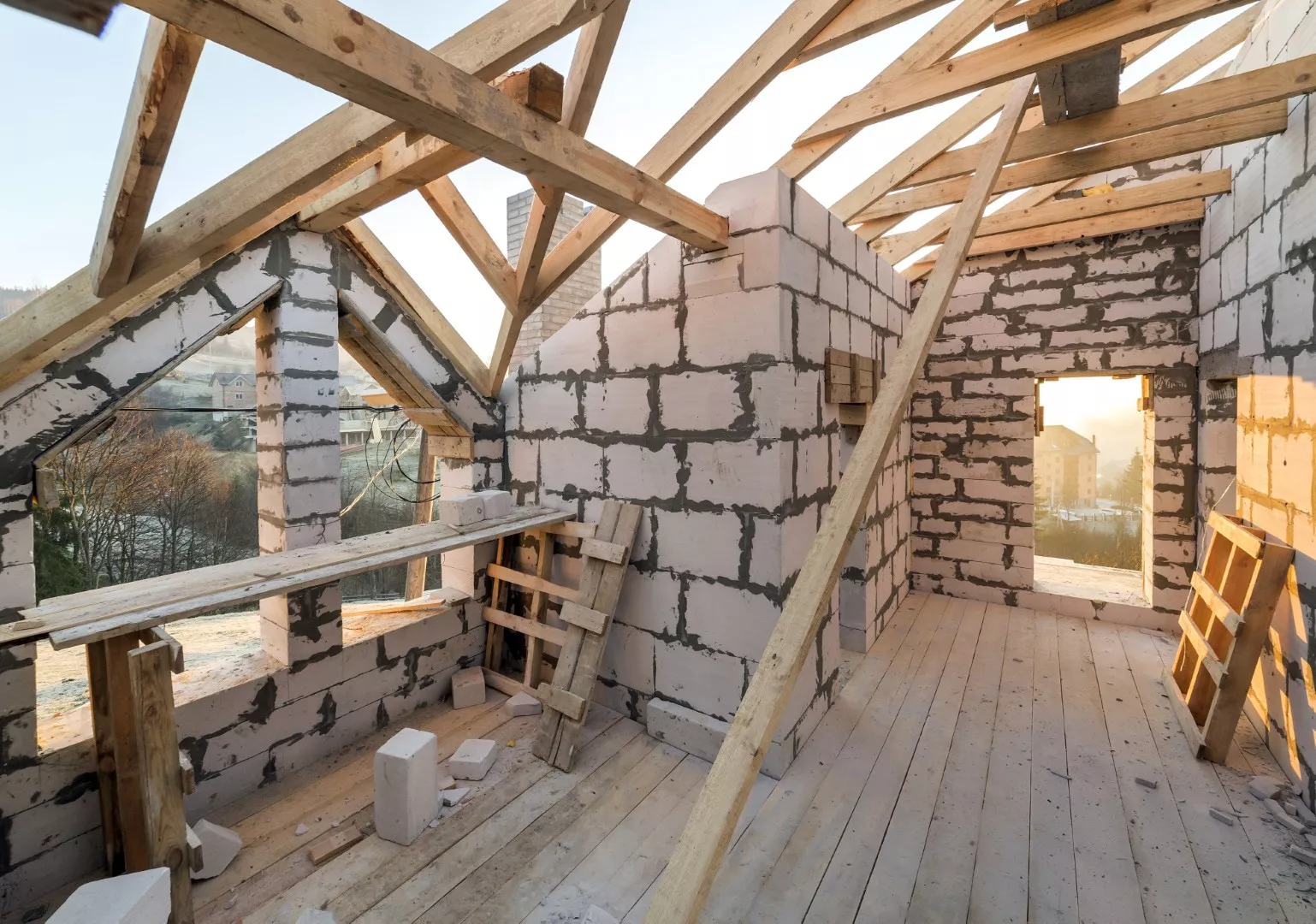
A loft conversion works in the opposite direction. It doesn’t change the ground floor at all. Instead, it takes roof space that’s currently used for nothing and turns it into a habitable room, usually a bedroom, sometimes with an en-suite. The rest of the house stays exactly as it is. You gain upstairs space and typically lose a bit of bedroom floor area to the new staircase, but the ground floor layout is untouched.
Neither option is universally better. They solve different problems.
This is what most people actually want to know, and the answer is more nuanced than a single figure suggests.
According to Nationwide’s research on home improvements and property values, adding floor area through an extension or loft conversion can add up to 25% to a property’s value when the new space includes an extra bedroom and bathroom. That figure applies when you combine both a bedroom and a bathroom in the new space, which is achievable with either route.
Looking at the options individually, a loft conversion that adds a bedroom and en-suite typically increases a Manchester property’s value by around 15 to 20%. The reason loft conversions score well here is that they create the single most valuable thing a buyer looks for: an additional bedroom. In the North West, moving from a two-bedroom to a three-bedroom property, or from three bedrooms to four, has an outsized effect on what the market will pay.
A well-designed rear extension, particularly one that creates an open-plan kitchen-diner, typically adds 10 to 15% to property value. A wraparound extension sits at the higher end of that range because of the more significant transformation to the ground floor.
On the face of it, loft conversions look like they offer a stronger percentage return. But that comparison only holds if the bedroom count is the limiting factor for your home’s value. If your house already has four bedrooms but a kitchen that doesn’t function, extending out may actually be the better investment for your specific property.
This is where the honest answer depends on your specific situation, so here’s a breakdown by scenario.
If you’re in a mid-terrace in areas like Levenshulme, Rusholme, Gorton, or Moss Side, the loft conversion is usually the stronger play. The roof structure in these properties typically accommodates a dormer conversion well, and adding a third or fourth bedroom has a meaningful effect on buyer appeal and asking price. A rear extension can still work, but the ground floor layout in a typical two-up two-down Victorian terrace already lends itself to an open-plan reconfiguration without necessarily needing to extend far into the garden.
In semis across Didsbury, Chorlton, Withington, or Whalley Range, both options are viable. If the kitchen is the problem, extend out. If you need more bedrooms, go up. Many homeowners in this bracket eventually do both, and doing them as a single project is more cost-effective than tackling them separately.
If your semi-detached property has a hipped roof (the kind where the roof slopes inward on the side elevation rather than ending in a vertical gable wall), a hip-to-gable conversion opens up significantly more loft space. This is common in Edwardian semis across south Manchester, and it makes the loft conversion more valuable because you get a much larger usable room.
End-of-terrace properties in areas like Salford, Eccles, or Stretford often have better options than mid-terrace homes for both routes. You need only one Party Wall Agreement rather than two, and you may have the option of a side extension that adds a full new room rather than just widening an existing one. The loft conversion is also more flexible on an end-of-terrace because the side elevation can accommodate dormer windows without affecting a shared boundary.
One important factor that often gets overlooked is the ceiling price of properties in your area. If houses on your street with four bedrooms sell for £350,000 and yours already has four bedrooms, adding a fifth through a loft conversion may not return what you spend. In this case, extending out to improve the quality of the living space, rather than increasing the bedroom count, is the smarter approach. A local estate agent can give you a realistic view of this before you commit to anything.
For families with children at home, the extension often wins on day-to-day liveability even if the loft conversion scores higher on paper. A larger kitchen, a connection to the garden, and open-plan space where parents can cook and keep an eye on children at the same time makes a real difference to daily life. The loft conversion adds a room that might sit empty for years before it’s needed.
Some Manchester properties, particularly post-war semis and newer builds, have trussed roofs with metal webbing inside. These are significantly harder and more expensive to convert because the internal structure needs to be redesigned before you can create usable floor space. If your roof is this type, extending out is almost always the more straightforward option. A builder or structural engineer can check your loft quickly before you get too far into planning.
Cost comparison is where things get interesting, because loft conversions are generally cheaper than extensions of equivalent floor area.
For a Manchester terraced house, a dormer loft conversion, which is the most common type, typically costs between £35,000 and £60,000 depending on size and whether you include an en-suite bathroom. A basic Velux conversion, which keeps the existing roofline intact and simply adds roof windows, can come in at £20,000 to £35,000, though the usable space is more limited. For a semi-detached property where a hip-to-gable conversion is possible, costs run from £45,000 to £70,000.
For comparison, a single-storey rear extension in Manchester runs from roughly £40,000 to £80,000 for a decent-sized space, before kitchen or other fit-out costs. A wraparound extension starts at around £70,000 and can exceed £120,000 for larger footprints or premium finishes.
On a cost-per-square-metre basis, loft conversions in Manchester typically run from £1,200 to £2,000 per m² depending on the conversion type. Rear extensions cost more per square metre, usually £1,800 to £3,000, because of the heavier structural work involved in foundations, groundworks, and roofing.
This doesn’t show up in value comparisons but it’s something homeowners always wish they’d thought about more carefully beforehand.
A loft conversion is significantly less disruptive to daily life than an extension. The main work happens above the existing living space. Your kitchen, living room, and garden are largely unaffected. You’ll have noise, dust, and builders on site for six to ten weeks, but you can usually continue living in the house comfortably throughout. The most disruptive part is typically when the staircase is installed, which involves cutting through a first floor ceiling and landing area.
A rear extension is more invasive. The back of the house is opened up, which means your kitchen or dining room may be inaccessible for weeks. You’ll need a temporary kitchen setup, usually a kettle, microwave, and camping cooker in another room. The garden becomes a building site. Depending on the depth of the extension and the groundworks involved, the project will take twelve to sixteen weeks. For families with young children, this disruption period is worth factoring into the decision seriously, not just as a mild inconvenience.
The same mistakes come up again and again regardless of which route people choose.
Going too big relative to the neighbourhood is a genuine risk, especially in parts of Manchester where property values have a ceiling. A £90,000 wraparound extension on a street where houses sell for £280,000 is unlikely to return what you put in. Getting a valuation before you finalise the specification is a straightforward way to protect yourself.
Not checking the loft before commissioning drawings is surprisingly common. Some properties simply don’t have enough head height for a conversion, or the roof structure makes it prohibitively expensive. A quick visit from a builder or structural engineer before anything else costs very little and can save a lot of wasted design fees.
Underestimating the full cost of an extension by not including kitchen fit-out, new flooring throughout the ground floor, redecorating, and landscaping is one of the most common budget surprises. The structural build is just the starting point. For a rear extension that creates an open-plan kitchen-diner, the fit-out can add another £20,000 to £40,000 on top of the build cost.
Choosing a contractor purely on price without checking references or confirming they carry public liability insurance is a risk that can turn a good project into an extremely expensive problem.
Both options require building regulations approval. Neither route skips that step regardless of size or permitted development status.
For extensions, most single-storey rear builds under 3 metres deep (for terraces and semis) fall within permitted development rights and don’t need a planning application. The Larger Home Extension Scheme allows up to 6 metres with neighbour consultation. Manchester City Council’s planning team has specific local rules that can affect what’s permitted in your area, so it’s worth checking before assuming anything.
For loft conversions, most dormer and Velux conversions on terraced and semi-detached houses also fall under permitted development, provided the total additional volume doesn’t exceed 40 cubic metres (50 m³ for detached homes) and the dormer doesn’t exceed the existing roof height. Conservation areas and listed buildings require full planning consent for both options.
The Party Wall etc. Act 1996 applies to both routes if work affects a shared boundary wall. For a mid-terrace loft conversion, you need agreements with both neighbours. For an end-of-terrace or rear extension, typically one agreement is required. This process needs to be started well before work begins, usually two months in advance, and should be managed properly from the outset.
hether you’re leaning towards a loft conversion, a rear extension, or want an honest assessment of which suits your property and budget better, Dream Homes Construction works with Manchester homeowners through both routes. We handle design, planning, building regulations, and all trades on site, and we’ll tell you upfront if we think one option makes more financial sense than the other for your specific home.
Dream Homes Construction is known for its reliable, highly skilled tradespeople and its full-service approach, covering design, build and completion. Every project is covered by public liability insurance and a works warranty for total peace of mind.
If you want a free consultation to talk through the options for your home, get in touch today.
