
Close
I get it. When three quotes land in your inbox and one of them is £15,000 cheaper than the others, it’s really hard to ignore. That’s a holiday, a new kitchen, or a few months of mortgage payments sitting right there. But after years of watching Manchester homeowners navigate building projects, I can tell you that choosing a contractor based on the lowest quote is one of the most expensive decisions you can make. Not always, but far more often than people expect. This guide breaks down exactly why cheap quotes in Manchester rarely stay cheap, what the real costs look like once things go wrong, and how to spot the difference between a genuinely competitive quote and one that’s too good to be true.
Before we get into the consequences, it helps to understand why some quotes come in so much lower in the first place. There are a handful of legitimate reasons and a lot of dodgy ones.
On the legitimate side, a smaller contractor with lower overheads might genuinely be cheaper. If they own their own tools, have no office, and run a lean operation, their costs are lower and they can pass that saving on. Some contractors are simply hungrier for work, especially if they’re building their portfolio or just starting out. That’s not always a red flag, but it comes with its own risks around experience.
On the dodgy side, the reasons are more varied and more dangerous. Some contractors quote low knowing they’ll add extras later once you’re committed. In the trade this is called buying the job. They get you signed up at a price you can’t refuse, then hit you with variation orders, additional costs, and price increases once work has started and you’ve got no easy way out. Others miss things out entirely. Not deliberately in all cases, but because they haven’t done the proper takeoff and missed a load of materials, a complicated foundation detail, or the full scope of structural work involved.
Some cheap quotes are possible because the contractor is planning to use unqualified labour, cheap materials, or skip steps that are required by building regulations. You won’t see that written in the quote. But you’ll notice it six months after they’ve left when the roof leaks, the extension starts cracking, or a building inspector flags work that needs redoing. And then there are contractors who are simply underpricing because they’re in financial trouble and desperately need the cash flow. In a market where construction costs are rising by around 2.7% in 2026 according to BCIS forecasts, any contractor pricing based on last year’s material costs is already heading for a problem.

Let’s talk about what construction actually costs in Manchester in 2026, because it helps to understand the floor beneath which a realistic quote can’t go. Building costs in the UK currently start at around £1,750 to £3,000 per square metre depending on the type and complexity of the project. For a single storey rear extension in Manchester, expect to pay £2,000 to £2,500 per m² for a decent standard of finish. For a loft conversion, £1,800 to £2,500 per m². These aren’t luxury figures. These are what competent, properly insured contractors need to charge to cover labour, materials, their own costs, and a reasonable profit.
Labour accounts for between 40 and 60 percent of construction costs. Skilled tradespeople in Manchester charge genuine day rates now. Bricklayers, carpenters, and electricians aren’t cheap, and the skills shortage across the UK means the good ones are in demand. Material costs have risen dramatically since 2020. Concrete, steel, insulation, and timber have seen increases of up to 60% in some cases. Even though the worst of that inflation has eased, prices haven’t come down. If a quote looks like it was priced two years ago, that’s already a problem before anyone picks up a trowel.
If someone is quoting you significantly below what others have priced, the money has to come from somewhere. Either they’re using cheaper materials, cheaper labour, cutting stages out, or planning to make it up in extras. There’s no magic pricing. There’s just risk being transferred from the contractor to you.
Here’s where the real damage happens. These are the costs that turn a cheap quote into an expensive disaster.
The variation order is the most common weapon in a cheap contractor’s arsenal. They quote low, you sign, work starts, and then the extras start appearing. “There was more groundwork needed than expected.” “The soil conditions required extra foundation depth.” “That wasn’t included in the original price.” Some of these are genuine, but with cheap contractors they often aren’t. Or they knew about the issue when they quoted and chose not to mention it.
Once you’re a month into the build with a hole in your garden and half your kitchen demolished, your options are limited. You can pay the extras, dispute them and risk the contractor walking off site, or try to bring in someone else to take over a half-finished job. None of these are good options and all of them cost you money.
Poor workmanship on a building project doesn’t always show itself immediately. A cheap contractor might get away with cutting corners during the build. But six months later, the roof starts leaking because the flashing was poorly fitted. Or the plastering starts cracking because the substrate wasn’t properly prepared. Or you discover the extension is sitting on inadequate foundations because the groundwork was rushed. Fixing this work after the fact almost always costs more than doing it right the first time. You’re not just paying for the repair. You’re paying for investigation, making good finishes, disruption, and often professional fees to establish exactly what went wrong.
In the worst cases, remedial work can cost as much as the original contract. I’ve seen Manchester homeowners spend £30,000 fixing problems on a £40,000 extension that was done cheaply. The maths on that doesn’t work out.
Cheap contractors are often slower. They might be managing too many jobs at once to keep costs down. They might have underpriced the labour element and be struggling to keep tradespeople on site because they can’t afford to pay them promptly. Whatever the reason, delays on a building project have real costs attached to them.
If you’re renting while your house is being extended, every extra week costs you rent. If you’ve got a mortgage on a self-build, every delay costs you more interest. If you’re a landlord relying on rental income, delays in a renovation mean weeks of lost rent. These costs aren’t on the contractor’s quote. They’re on your bank statement.
Building regulations exist to make sure your project is safe and structurally sound. A competent contractor builds compliance in from the start, uses the right materials, gets the right inspections, and ends up with a clean completion certificate. A cheap contractor might skip steps, use non-compliant materials, or avoid inspections they know they’d fail.
The consequences of building regulations failures can be severe. You might be required to demolish and rebuild non-compliant work. You might struggle to sell your property because you can’t produce a completion certificate. Or worse, you might have a structural or safety issue that puts your family at risk. Rectifying a building regulations failure after the fact is always expensive and often involves structural work, disruption, and professional fees on top of the remedial construction costs.
In 2026’s construction market, contractor insolvencies are a genuine risk. Skills shortages and rising costs are keeping margins tight, and the BCIS notes that insolvencies remain a feature of the market. A contractor who underbids on your project might run out of money before they finish. You’re left with an unfinished build, money already paid out, and no recourse against a company that no longer exists.
Getting another contractor to take over a half-finished job is always more expensive than having the original contractor finish it. The new contractor needs to assess what’s been done, potentially redo work they can’t verify meets spec, and manage the uncertainty of working on someone else’s project. If your original contractor had no insurance-backed warranty, which cheap ones often don’t, you’re absorbing all of that cost yourself.
When things go wrong with a cheap contractor, disputes are common. They might claim the variations were agreed verbally. You might dispute the quality of work. They might stop turning up and claim you owe them money. These disputes are stressful, time-consuming, and expensive. Even if you win in court, you’ve spent money on legal advice, time, and energy that you can’t get back. A contractor who quoted £15,000 less might end up costing you £15,000 more in legal fees and stress if the relationship breaks down badly.
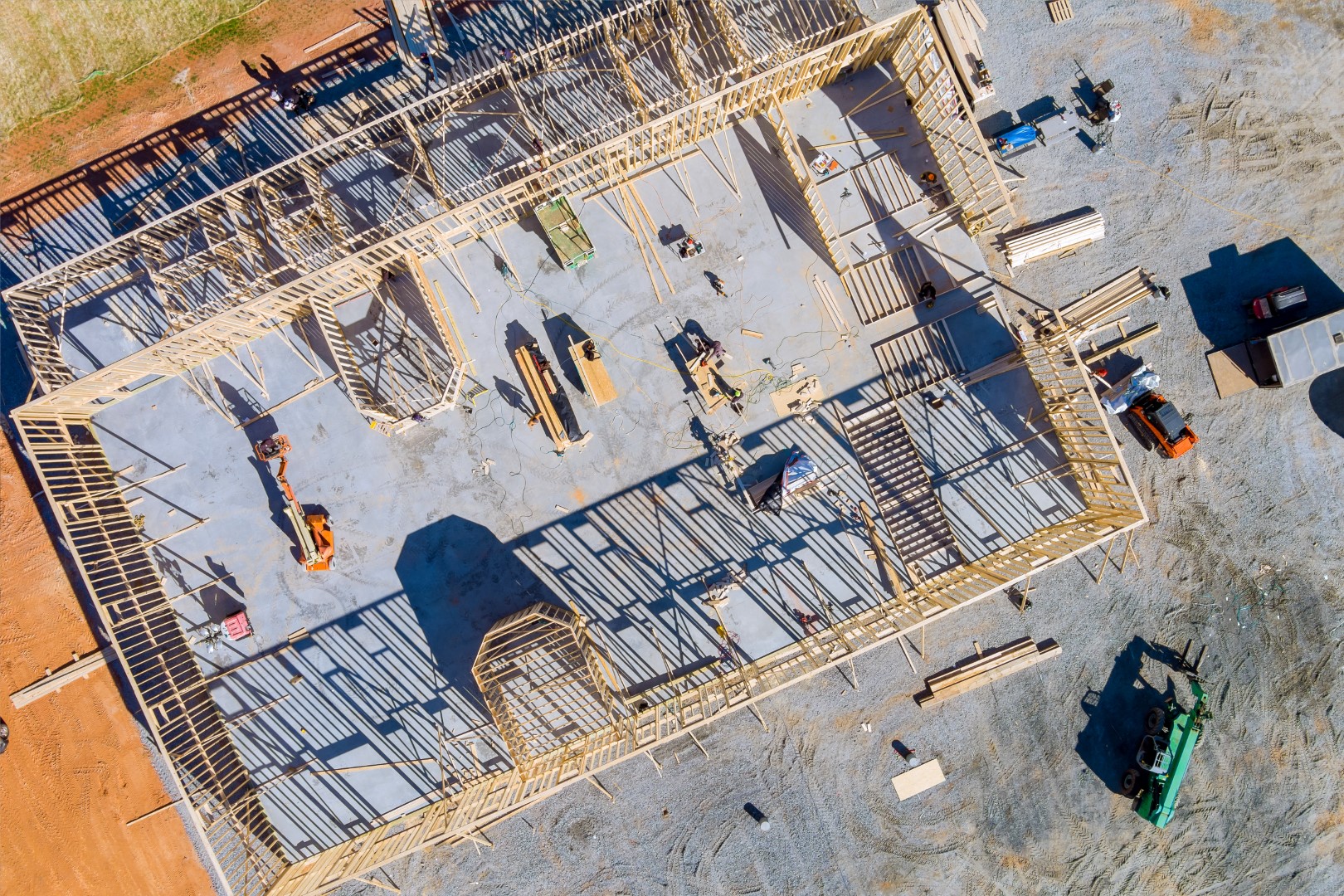
Not every cheap quote is a trap. Some contractors genuinely can do the work for less, either because of their business model, local knowledge, or current workload. Here’s how to tell the difference.
Go through each quote line by line. Does the cheap quote include the same scope as the more expensive ones? Are preliminary costs like scaffolding, skips, and site protection included? Is VAT included or excluded? Is the structural engineer’s fee included? Are building regulations fees included? Often a quote that looks cheaper is simply missing things the other quotes have included. Once you add them back in, the price gap narrows considerably.
A contractor who stands behind their price should be able to give you a detailed specification of materials and workmanship. If they’re vague about material specifications or say they’ll decide on site what to use, that’s how quality gets compromised later. Ask specifically what brick or block they’re planning to use, what insulation and to what U-value, what windows and to what energy rating, and what standard of finishes you can expect.
Cheap contractors often cut costs by not carrying proper insurance. Ask for current public liability insurance certificates and check the expiry dates. If they employ people, they need employers’ liability insurance too. Trade body membership like the Federation of Master Builders requires contractors to pass checks and agree to standards of conduct. A contractor who’s been properly vetted is less likely to cut corners than one operating with no oversight at all.
Ring at least two or three recent clients and ask specifically whether the final cost matched the quote, whether there were unexpected extras, and whether the work passed building control without issues. A cheap contractor with excellent references who finished on budget is a genuinely good find. A cheap contractor whose references mention extras, delays, and disputes is a warning you shouldn’t ignore.
In 2026, construction costs are real and they’re not coming down. Building material costs are expected to rise by 2.5 to 3.5% across the year. Labour costs continue to increase, with trade wages under the Joint Industry Board deal set to rise by around 3.95% in 2026. Any quote significantly below market rate in this environment isn’t a bargain. It’s someone pricing to win work they can’t actually deliver at that price.
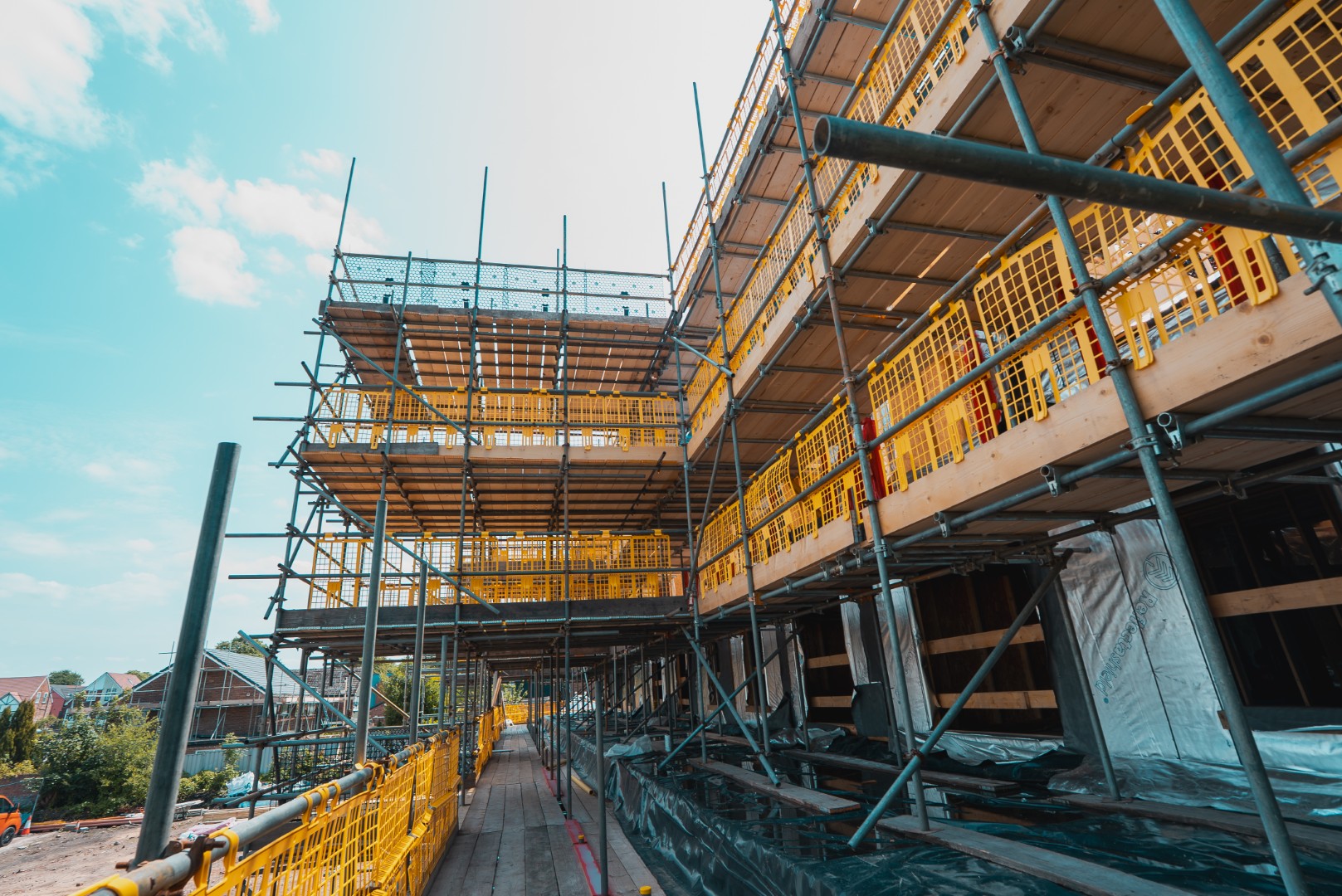
Good value in construction isn’t the cheapest price. It’s the best outcome for your budget. A contractor who charges £112,000, delivers on time, hits the specification, passes building regulations first time, and leaves you with a clean completion certificate and no defects is better value than one who quotes £95,000 and delivers none of those things.
When you’re comparing quotes, look for detail, transparency, and evidence of professionalism. A contractor who takes the time to do a thorough site survey, produce a detailed quote, and clearly specify what they’ll deliver is showing you how they work. One who turns up for twenty minutes and emails you a single line figure is showing you how they work too.
The goal isn’t to pay the most. The goal is to find a contractor who delivers what they promise at a fair price. That means getting multiple detailed quotes from vetted, insured contractors with relevant experience and real references. It means understanding what each quote includes and excludes. And it means being honest with yourself about what a realistic price looks like for your project in Manchester in 2026.
Before you commit to any contractor in Manchester, ask these questions. What does your quote include and what is specifically excluded? How will variations or changes be priced and approved during the build? What insurance cover do you carry and can I see the certificates? What trade bodies are you a member of? What payment structure are you proposing and why? What happens if the project runs over the agreed timeline? Can I speak to three recent clients from projects similar to mine?
A contractor who answers these questions confidently, in writing, and without getting defensive is one worth trusting. One who deflects, gets vague, or pushes you to sign quickly rather than answer properly is one worth avoiding regardless of their price.
We’re not the cheapest quote you’ll ever get in Manchester and we’re not trying to be. What we offer is detailed, transparent pricing based on what the work actually costs, delivered by a team who will complete your project to the specification you agreed, on the timeline we committed to, and to a standard that passes building regulations first time.
Dream Homes Construction is known for its reliable, highly skilled tradespeople and its full-service approach, covering design, build and completion. Every project is covered by public liability insurance and a works warranty for total peace of mind. Our quotes are detailed and specific because we want you to understand exactly what you’re paying for. There are no vague line items to hide inflated extras, and no artificially low prices designed to get you signed up before the real costs emerge. If our quote comes in higher than another, we’ll explain why line by line. Sometimes there’s a genuine difference in scope. Sometimes the other contractor has priced a lower specification. Sometimes they’ve simply missed something. Either way, you deserve to understand what you’re actually comparing before you make one of the biggest financial decisions you’ll make on your home. Get in touch for a detailed, honest quote on your Manchester project. We’ll show you exactly where every pound is going.
