
Close
If you’re planning a building project in Manchester, whether that’s an extension, a renovation, or a completely new house, you’ve probably heard the term main contractor thrown around. But what does a main contractor actually do, and why do you need one? The honest answer is that most people don’t really understand the role until they’re deep into a project and realising just how much coordination is involved. A main contractor is the person or company that takes overall responsibility for your build from start to finish. They’re not just there to swing hammers or lay bricks. They’re the ones who make sure everything happens in the right order, at the right time, and to the right standard. This guide will explain exactly what a main contractor does, how they differ from other types of builders, and why having the right one can make or break your Manchester building project.
A main contractor is the company or individual who takes overall control of your construction project. They manage everything from hiring and coordinating subcontractors to ordering materials, scheduling inspections, ensuring safety on site, and making sure the work meets building regulations. In the UK, main contractors are sometimes called principal contractors, especially on larger projects where health and safety regulations under CDM 2015 apply. But for most residential builds in Manchester, main contractor is the term you’ll hear.
The key difference between a main contractor and a regular builder is scope and responsibility. A builder might do the physical work themselves or with a small team. A main contractor oversees the entire project and brings in specialists for different trades. They’re project managers as much as they are construction professionals. Think of them as the conductor of an orchestra. They might not play every instrument, but they make sure everyone comes in at the right time and plays the right notes.
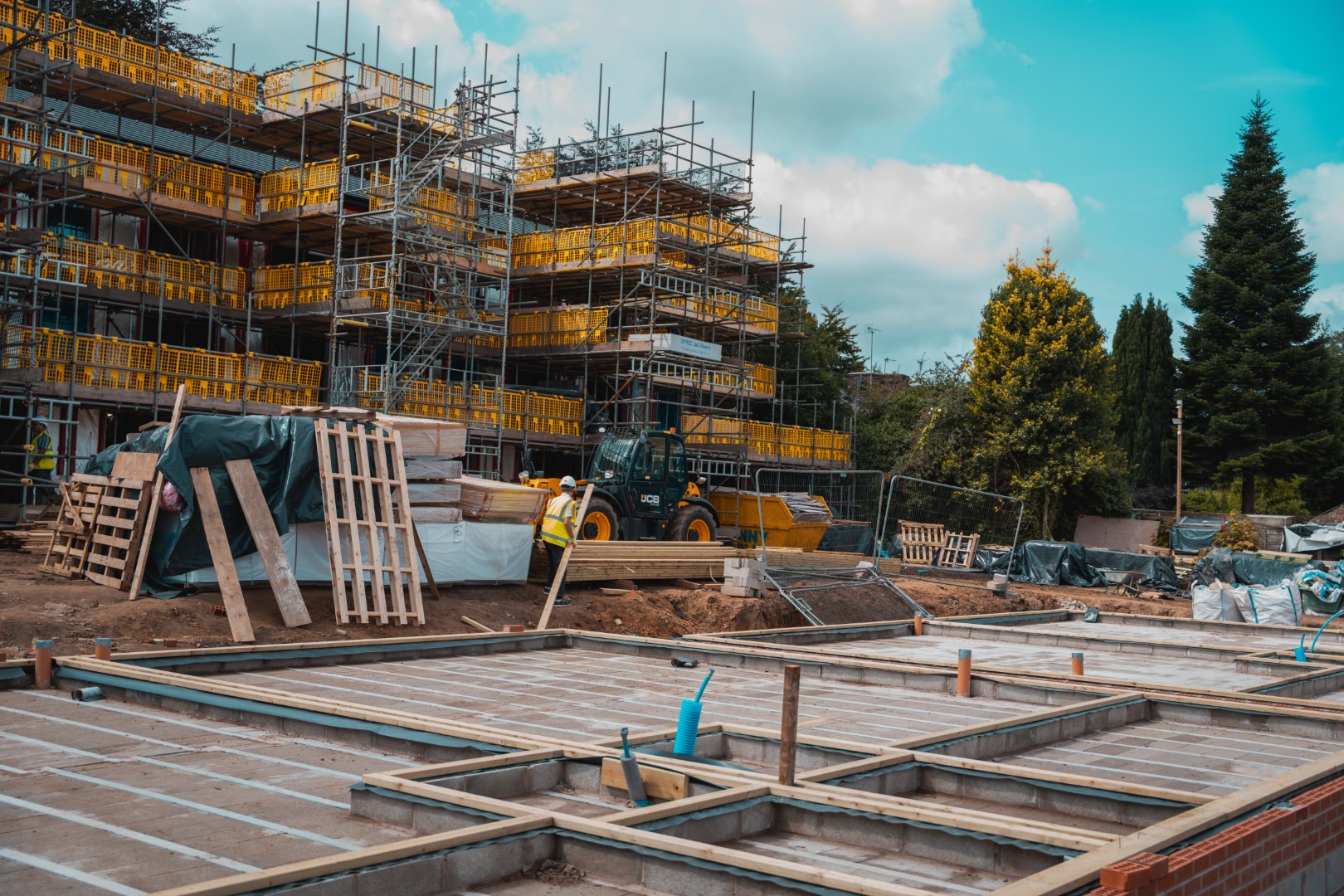
Let me walk you through exactly what happens at each stage of your build and what your main contractor is doing behind the scenes.
Before anything gets built, your main contractor will meet with you to understand what you want. They’ll visit your property to assess the site, look at access for vehicles and materials, check for any obvious problems like drainage or ground conditions, and start thinking about how the project will actually work in practice. A good contractor asks loads of questions at this stage. What’s your budget? What’s your timeline? Are you living in the property during the work? Do you have any specific requirements or concerns?
They’ll also advise you on what’s realistic. If you want a two storey extension but your garden is tiny and there’s no side access, they’ll explain the challenges and suggest alternatives. This is where experience matters. A Manchester based contractor who knows local properties, especially Victorian and Edwardian terraces, will spot issues that someone from outside the area might miss.
Once your contractor understands the project, they’ll prepare a detailed quote. This isn’t just a single figure plucked out of thin air. A proper quote breaks down labour costs, material costs, subcontractor fees, site preliminaries like skips and scaffolding, contingency for unexpected issues, and their own profit margin. They’ll price up different options if you’re not sure exactly what you want yet.
The contractor is also pricing in risk at this stage. If your project has potential complications like working on a party wall, dealing with asbestos, or underpinning foundations, they factor in time and cost for those. This is why quotes from experienced contractors sometimes seem higher than cowboy builders. They’re being realistic rather than telling you what you want to hear.
For many projects, your main contractor will work with an architect or designer to finalise plans. Some contractors offer design and build services, where they handle both the design and construction under one contract. Others work with your separately appointed architect. Either way, the contractor’s job is to make sure the designs are actually buildable and that everything works in practice.
They’ll point out if something is going to be expensive or difficult to achieve, suggest alternatives that save money without compromising the design, and coordinate with structural engineers if needed for calculations and beam specifications. For projects needing planning permission or building regulations approval, the contractor often handles the submissions or works closely with your architect to get them submitted. They’ll make sure all the technical details are sorted before anyone picks up a tool.
Unless it’s a very small job, your main contractor won’t do all the work themselves. They’ll bring in specialist subcontractors for trades like groundwork and foundations, brickwork and blockwork, carpentry and joinery, roofing, plumbing and heating, electrical work, plastering, and decorating. A good main contractor has established relationships with reliable subcontractors they’ve worked with for years.
This is hugely valuable because finding good tradespeople is hard. Your contractor knows who does quality work, who turns up on time, and who can be trusted. They also handle all the coordination. They book subcontractors in at the right time, make sure everyone knows what they’re supposed to be doing, and resolve any conflicts or issues that arise. If a subcontractor does poor work, the main contractor sorts it out, not you.
Someone needs to order bricks, timber, cement, plasterboard, insulation, windows, doors, tiles, and hundreds of other materials. Your main contractor handles this. They know which suppliers in Manchester offer good prices and reliable delivery, what lead times to expect for different materials, and how to schedule deliveries so materials arrive when needed but don’t clutter the site for weeks.
They also inspect materials when they arrive to check quality and quantities. If something’s wrong, they deal with the supplier to get it sorted. This might sound simple, but material management is a massive part of keeping a project on schedule and on budget. Delays waiting for materials or ordering the wrong things can add weeks and thousands of pounds to a build.
Once work starts, your main contractor is on site regularly, if not daily, to manage operations. They’re making sure work is being done to the right standard and following the plans, keeping the project on schedule and adjusting if things change, maintaining health and safety standards and site security, coordinating between different trades so there are no clashes, and dealing with problems as they come up.
On larger projects, they might have a dedicated site manager who’s there full time. On smaller residential jobs in Manchester, the contractor themselves usually visits daily. Either way, someone is keeping an eye on everything and making decisions quickly to keep things moving.
Your main contractor is responsible for making sure all work meets building regulations and the agreed specifications. They arrange building control inspections at key stages like foundations, drainage, structural work, insulation and airtightness, and electrical and gas safety. They also do their own quality checks throughout the build, spotting and fixing issues before they become bigger problems.
If building control raises any concerns or asks for changes, the contractor deals with it. They make sure all necessary certificates are obtained, like electrical installation certificates, gas safety certificates, and structural warranties if applicable. At the end, you should receive a full set of building control completion certificates and all relevant documentation.
Keeping a building project on track is like solving a massive jigsaw puzzle where all the pieces have to slot in at exactly the right time. Your main contractor creates a detailed programme showing when each stage of work will happen, books subcontractors in advance so they’re available when needed, orders materials to arrive just before they’re needed, and adjusts the schedule when things change, which they always do.
They also communicate with you regularly about progress. You should know what’s happening this week, what’s coming next week, and whether you’re still on track for completion. Good contractors send regular updates via email or text and welcome you to visit the site and ask questions.
Under UK law, specifically the CDM 2015 regulations, any construction project with more than one contractor must have a principal contractor who manages health and safety. Even on smaller domestic projects, your main contractor is responsible for ensuring the site is safe. This includes conducting risk assessments for all work, providing welfare facilities like toilets for workers, securing the site to prevent unauthorised access, making sure all workers are properly trained and inducted, and maintaining proper insurance coverage.
If there’s an accident on site, the contractor manages it and reports it if necessary. They’re also responsible for protecting your property and your neighbours’ properties from damage. Safety might not be the most exciting part of a build, but it’s absolutely critical. A contractor who takes shortcuts on safety is likely cutting corners elsewhere too.
Most building contracts work on a stage payment basis. You pay a deposit upfront, then make payments as work reaches agreed milestones. Your main contractor manages this process. They tell you when a payment is due and what’s been completed to justify it, handle payments to subcontractors and suppliers, and keep track of the overall budget.
They should also be transparent about any variations or extra costs. If you change your mind about something or unexpected work is needed, they should give you a written price before proceeding. This prevents nasty surprises at the end when you’re presented with a huge bill for extras you didn’t know about.
When the build is finished, your main contractor will do a final inspection to create a snagging list of any minor issues that need fixing. This might be things like paint touch ups, adjusting doors, or fixing squeaky floorboards. They’ll get these sorted before final handover. Then they’ll walk you through the completed work, explain how everything works, hand over all keys, manuals, and warranties, and provide you with all building control certificates and documentation.
Most good contractors also offer a defects period, typically 6 to 12 months, where they’ll come back and fix any issues that arise from their work. This gives you peace of mind that you’re not on your own once they drive away.

People often get confused about the difference between these roles, so let me clear it up. A builder is someone who does physical construction work. They might be a bricklayer, carpenter, or general trades person who can turn their hand to most things. They’re usually hands on with the actual building. A main contractor manages the overall project and coordinates multiple trades. They might do some physical work themselves, especially on smaller jobs, but their main role is management and coordination.
A project manager is usually someone you hire separately to oversee your contractor. They don’t do any building work or manage trades directly. Instead, they represent you and make sure the contractor is doing what they should. On most residential projects in Manchester, you don’t need a separate project manager if you’ve hired a good main contractor. The contractor manages the project. But on larger or more complex builds, or if you don’t have time to be involved, a project manager can be worth the extra cost.
There are two main ways of working with a main contractor in Manchester. Traditional contracting is where you hire an architect or designer separately to create the plans, then hire a contractor to build those plans. The architect and contractor are separate companies with separate contracts. Design and build is where the contractor takes responsibility for both design and construction under a single contract.
Both approaches have advantages. Traditional contracting gives you more control over the design and you can choose exactly who designs your home. It can also create competitive tension that keeps costs down if you tender the build to multiple contractors. Design and build is usually faster and simpler because you only deal with one company. Communication is often better because the designers and builders are working together from the start. There’s also single point responsibility, so if something goes wrong you don’t get the designer and contractor blaming each other.
For most homeowners in Manchester, design and build makes sense for smaller projects like extensions or renovations. For larger new builds or very bespoke designs, traditional contracting might be better. Dream Homes Construction is known for its reliable, highly skilled tradespeople and its full service approach, covering design, build and completion. Every project is covered by public liability insurance and a works warranty for total peace of mind.
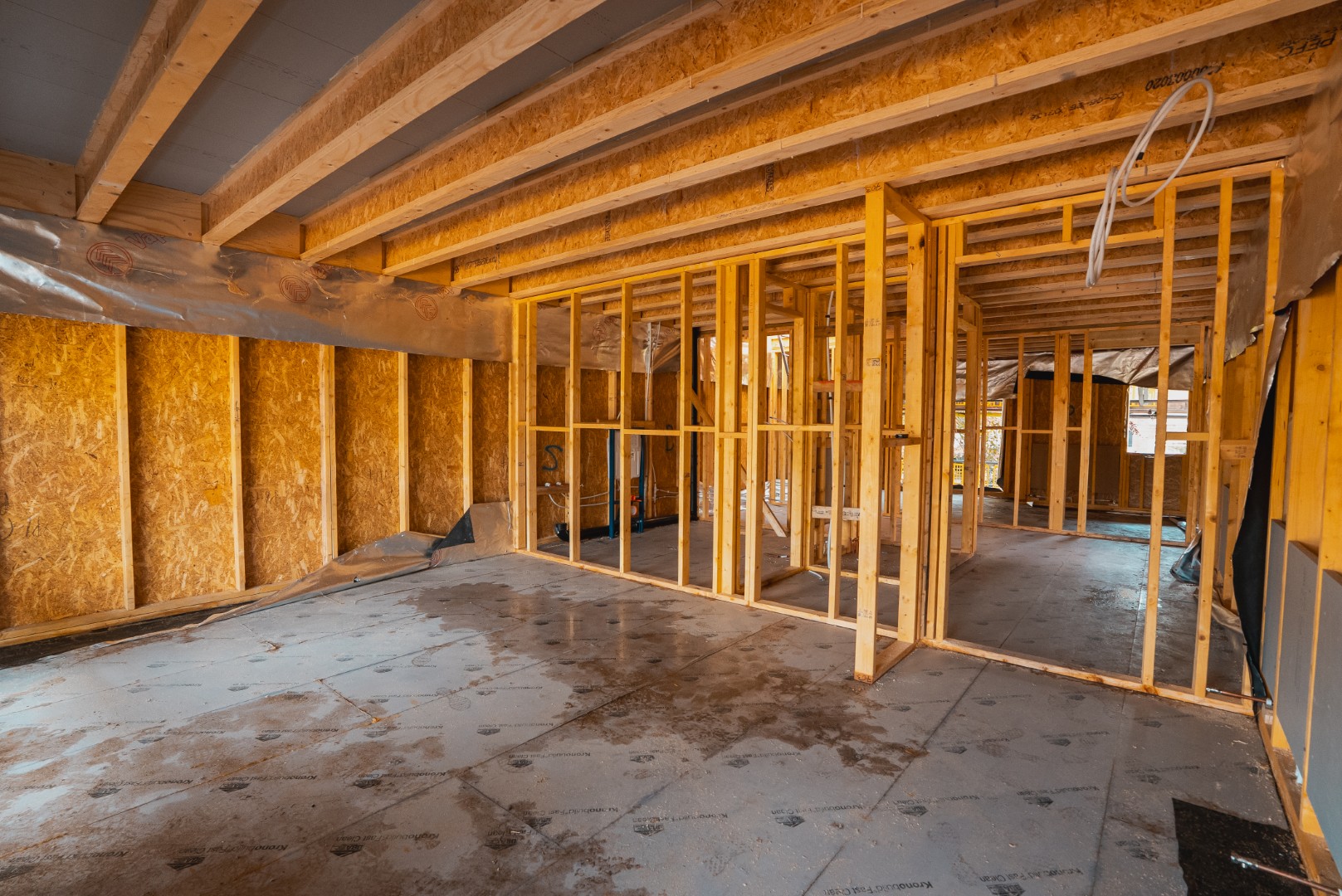
Not everyone calling themselves a main contractor is properly qualified or experienced. Here’s what to look for. They should have extensive practical experience in construction, ideally 10 years plus. They should understand building regulations, planning rules, and health and safety law. Membership of trade bodies like the Federation of Master Builders, TrustMark, or Checkatrade is a good sign. They need public liability insurance for at least £2 million and employers liability insurance if they have staff.
For larger projects, they should be registered as a principal contractor under CDM 2015. They should have proven experience managing projects similar to yours. Ask to see their portfolio and speak to past clients. Good contractors also have strong relationships with subcontractors and suppliers, which comes from years of working in the area. A Manchester based contractor knows local suppliers, understands local ground conditions and planning quirks, and has a network of reliable trades people they can call on.
Main contractors typically charge in one of three ways. Fixed price is a set total for the whole project, which gives you budget certainty but the contractor adds a risk premium to cover unknowns. Cost plus is where you pay actual costs plus a percentage for the contractor’s profit and management fee, typically 10 to 20 percent. This can work out cheaper but there’s less budget certainty. Day rate is charging by the day for labour, which is only really suitable for very small jobs or repair work.
For most residential projects in Manchester, fixed price is standard. The contractor’s margin, meaning their profit and overheads, typically sits between 10 and 25 percent of the total project cost. This might sound like a lot, but remember it covers their time managing the project, their business overheads, insurance, risk, and profit. A contractor quoting much lower margins is either cutting corners, underpricing and likely to hit you with extras later, or inexperienced and doesn’t understand their costs.
The overall cost of your project depends on what you’re building, but expect to pay £2,000 to £3,000 per square metre for a typical extension in Manchester in 2026, and £1,800 to £2,500 per square metre for a new build. These are ballpark figures. High spec projects cost more, basic builds cost less.
Some warning signs should make you walk away. If they can’t or won’t provide proof of insurance, don’t hire them. You’re exposing yourself to massive risk. If they want a huge deposit upfront, more than 25 percent, or ask for cash payments, that’s dodgy. If they pressure you to sign immediately or say the quote is only valid for 24 hours, it’s a sales tactic. Good contractors don’t need to pressure you.
If they can’t provide recent references or examples of similar work, be suspicious. If they’re vague about timelines or say they can start immediately when all other contractors are booked up for months, question why they’re so available. If they bad mouth other contractors or previous clients, they’ll probably bad mouth you too. If the quote is significantly cheaper than others, dig into why. They might have missed things out, be planning to cut corners, or be pricing themselves out of business.
We’ve been working as a main contractor across Manchester for years, managing everything from small extensions to complete new builds. Our approach is simple. We take full responsibility for your project from the first conversation through to final handover. You get a dedicated point of contact who keeps you updated throughout, experienced project management that keeps everything on track and on budget, and established relationships with skilled subcontractors across all trades.
Every aspect of the work is covered by our public liability insurance and comes with a comprehensive works warranty. We handle all the coordination with building control, manage health and safety requirements, and make sure every detail is completed to spec. Dream Homes Construction is known for its reliable, highly skilled tradespeople and its full service approach, covering design, build and completion. Every project is covered by public liability insurance and a works warranty for total peace of mind. Whether you’re planning an extension, renovation, or new build in Manchester, get in touch for straight forward advice and a detailed quote that actually explains what you’re paying for. We’ll walk you through exactly what we’ll do and how we’ll manage your project, so you know what to expect every step of the way.
