
Close
If you’ve ever asked a contractor how long your extension will take and got a vague answer about 12 to 16 weeks, you’re not alone. Most homeowners in Manchester start their build with only a rough idea of timings and end up surprised, stressed, or frustrated when reality doesn’t match expectations. The truth is that extension timelines are predictable if you understand what happens at each stage, what can go wrong, and what the critical path actually looks like. This guide breaks down a typical single storey rear extension in Manchester week by week, showing you exactly what should be happening, when delays are normal, and when they’re a sign of problems. Whether you’re planning an extension or already halfway through one, this timeline will help you understand where you are and what’s coming next.
Let’s start with the headline numbers. A typical single-storey extension takes 10-14 weeks from groundworks to completion, though this can stretch to 16 or even 20 weeks if you hit weather delays, supply chain issues, or complications with existing structure. Planning takes 8 weeks if needed, and pre-construction design and preparation can add another 8 to 12 weeks before any building starts.
So from the moment you first approach an architect to the day you’re using your new kitchen, you’re looking at 6 to 9 months for a straightforward project. Complex builds, listed buildings, or projects requiring structural work to the existing house can push this to 12 months or more. Anyone promising you significantly faster timelines is either cutting corners, overcommitted, or doesn’t understand the process properly.
Understanding this upfront helps you plan your life around the build. If you’re hoping to host Christmas in your new extension, work backwards from December and you’ll quickly see you need to start the design phase in spring or early summer, not autumn.

Most homeowners focus on the building phase and forget about everything that has to happen first. These pre-construction weeks are crucial and can’t be rushed without creating problems later.
You need detailed plans before you can get accurate quotes or building regulations approval. Finding the right architect, getting initial quotes, and briefing them properly takes at least two weeks. Rush this and you’ll end up with designs that don’t quite work or specifications that need changing later, both of which cost time and money during the build.
Your architect needs time to measure your property if existing plans aren’t available, develop initial design concepts, refine the design based on your feedback, and produce detailed construction drawings. For a standard extension this takes 3 to 4 weeks minimum. More complex designs or indecisive clients can stretch this to 8 weeks or more.
If your extension needs planning permission, the statutory determination period is 8 weeks from validation, though councils can take longer if they’re busy or the application needs amendments. You can’t do anything during this time except wait. If planning is refused and you need to revise and resubmit, add another 8 weeks. This is why checking permitted development rights early is so valuable.
You need building regulations approval for every extension. This can run in parallel with planning permission if needed. The submission includes structural calculations, foundation details, insulation specifications, and drainage plans. Building control approval typically takes 2 to 3 weeks for straightforward applications.
You should get at least three detailed quotes from reputable contractors. Give them 2 to 3 weeks to price your project properly. Then you need time to compare quotes, check references, verify insurance, and make your decision. Rushing contractor selection because you’re impatient to start is one of the most expensive mistakes homeowners make.
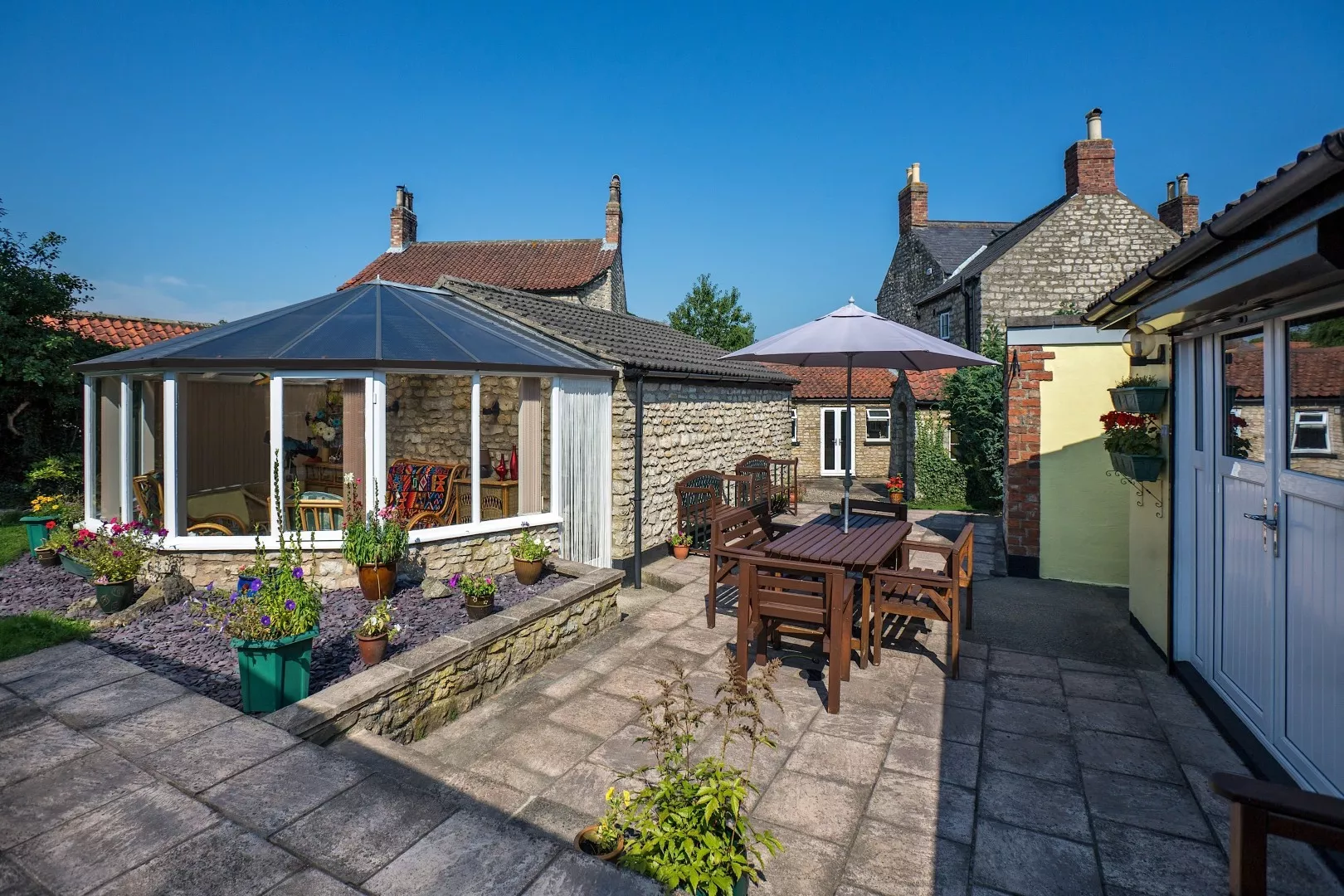
Now we get to the actual construction. Here’s what happens in a typical 12 to 14 week build for a single storey rear extension of around 20 to 25 square metres in Manchester.
The contractor arrives on site with machinery and materials. The first week involves setting up site welfare facilities and secure storage, erecting scaffolding if required, protecting your existing property with barriers and coverings, stripping turf and topsoil from the extension footprint, and marking out the foundation trenches based on the engineer’s drawings.
Building control will usually visit at this stage to check the setting out is correct before excavation begins. Don’t be surprised if not much visible progress happens in week one. The prep work is essential but doesn’t look dramatic. Weather can affect this stage significantly. Heavy rain makes marking out and excavation difficult and might delay the start by a few days.
Groundworks typically take 1-2 weeks depending on ground conditions and the type of foundation required. The team will dig foundation trenches to the required depth specified by your structural engineer, install any drainage that runs under the slab, lay foundation concrete and allow it to cure, and build up to damp proof course (DPC) level with blocks or bricks.
Building control inspects the foundations before concrete is poured and again after the DPC is laid. If the inspector isn’t happy or identifies issues, work stops until they’re resolved. Manchester’s ground conditions can be challenging because of clay soils and former industrial use. If your engineer specified deeper foundations because of poor ground or nearby trees, excavation might take longer than a straightforward build.
Brickwork typically takes 2-3 weeks for a standard extension. During these weeks, bricklayers build external walls up to wall plate level, install cavity insulation as they build, fit lintels above window and door openings, and tie the new walls into the existing house with wall ties or mechanical fixings. Internal blockwork for partition walls also goes up at this stage.
The speed of brickwork depends heavily on weather. Mortar won’t set properly in freezing conditions, and heavy rain stops work completely. Bricklayers typically won’t lay bricks if overnight temperatures are forecast to drop below 2°C or in persistent heavy rain. In Manchester, expect delays during November to February. Building control inspects the structure as it goes up to check wall ties, insulation, and cavity details.
Roofing typically takes 1 week for a single storey extension. Carpenters build the roof structure including joists, insulation, and roof deck. Roofers then install the waterproof covering, whether that’s tiles, slates, rubber membrane, or GRP fibreglass. Fascias, soffits, and guttering are fitted at this stage.
Once the roof is on and watertight, the building can dry out internally and work becomes much less weather-dependent. This is a critical milestone because it protects everything inside from rain. If there are delays getting to this stage and winter weather is approaching, your contractor should install temporary waterproofing to protect the works. Building control inspects the roof structure before it’s covered to check insulation and ventilation details.
Windows and doors are fitted into the openings with proper sealing and weatherproofing. External rendering or cladding is applied if your design includes it. Rainwater goods including gutters and downpipes are completed. Any brickwork cleaning or pointing is finished. At the end of this stage, the external envelope is complete and weathertight.
Bi-fold doors or large sliding units often have longer lead times than standard windows, sometimes 8 to 12 weeks from order to delivery. Your contractor should order these early in the programme to avoid delays at this stage. If they haven’t, you might face a few weeks waiting for glazing to arrive, which pushes back all the internal work.
First fix is all the work that happens before plastering. First fix trades typically take 2 weeks and include electrical wiring for sockets, lights, and switches, plumbing for radiators, water supply, and waste pipes, carpentry including door frames and any built-in joinery, and installation of any underfloor heating or mechanical ventilation systems.
The floor is made up at this stage too, usually with insulation, damp proof membrane, and either a concrete screed or timber joists and chipboard. Building control inspects drainage and underfloor works before the floor is closed up. Any ductwork for extractor fans or heat recovery ventilation gets installed while walls are still open.
Plastering typically takes 1 week for walls and ceilings to be skimmed with finishing plaster. This creates smooth surfaces ready for decoration. Plastering is skilled work that can’t be rushed. Each coat needs to be applied properly and given time to start setting before the next coat goes on.
More importantly, new plaster needs 2-3 weeks drying time before decoration. Painting onto wet plaster traps moisture and causes problems down the line including blistering, peeling, and mould growth. Professional contractors heat and ventilate the building during this period to help drying. Don’t let anyone pressure you into decorating early to hit an artificial deadline.
Nothing much happens on site during these weeks except occasional visits to check on drying progress and maybe apply mist coats of diluted paint to help the plaster cure. This waiting period frustrates homeowners who want to see progress, but it’s essential. Your contractor might be working on other projects during this time.
Use this period to finalise your choices for floor finishes, kitchen units, bathroom fittings, and paint colours if you haven’t already. Lead times on kitchen units can be 6 to 8 weeks, so these should ideally be ordered much earlier in the programme.
Once plaster is dry, second fix work begins. Second fix and decoration typically take 2-3 weeks. This includes fitting sockets, switches, and light fittings, installing radiators and connecting heating, fitting internal doors and architraves, fixing skirting boards and any other trim, painting walls and ceilings, and installing floor finishes whether timber, tiles, or carpet.
If you’re having a kitchen fitted as part of the extension, this happens now too. Kitchen fitting can add another week or two depending on complexity. Tiling for splashbacks and floors takes time, especially for intricate patterns or large format tiles. Second fix is where your extension starts to look finished and feel real.
The final week involves fitting any final fixtures like towel rails or coat hooks, touching up paintwork and making good any marks, final cleaning of the whole space, removing all rubbish and materials from site, and landscaping the immediate external area. Your contractor should walk you through the completed work, explain how everything works, hand over warranties and guarantees, and provide building control completion certificates.
Create a snagging list during this walkthrough. Minor issues like paint touch-ups, adjusting doors, or fixing squeaky floorboards are normal. Major defects or incomplete work are not. Don’t sign off the project as complete until you’re satisfied everything is finished properly. Most contracts include a retention period where you hold back 5 to 10 percent of the final payment for a few weeks after completion to ensure snagging items are addressed.
Even with the best planning, delays happen. Understanding the common causes helps you prepare and respond appropriately.
Manchester’s climate is unpredictable year round. Weather delays are common, with an additional 2-4 weeks if building through winter. Rain stops groundwork, brickwork, roofing, and external finishing. Frost prevents bricklaying and concrete work. High winds halt work at height including scaffolding and roofing. Snow can shut sites down completely for days.
A good contractor builds weather contingency into their programme. A contractor who insists on rigid timelines with no flexibility for weather in a Manchester build is being unrealistic. Most contracts include provisions for extensions of time due to exceptionally adverse weather, but there’s often dispute about what counts as exceptional versus normal Manchester rain.
Supply chain issues remain a feature of construction in 2026. Bricks can have lead times of 6 to 8 weeks. Structural steel sometimes takes 4 to 6 weeks. Specific window and door designs might need 10 to 12 weeks from order. Kitchen units vary from 6 to 10 weeks depending on supplier.
Your contractor should order long lead items early in the programme to avoid delays. If they’re ordering materials just in time, any delivery problem creates a critical path delay. Ask your contractor at the start what they’re ordering when and what lead times they’re expecting.
Manchester’s industrial history means surprises underground are common. Made ground from demolished buildings, contaminated soil from former factories, shallow mine workings in certain areas, or existing drains and services not shown on plans can all stop work while solutions are engineered. A proper ground investigation before starting reduces this risk but doesn’t eliminate it completely.
If building control raises concerns during inspections, work stops until they’re resolved. Common issues include inadequate foundations for ground conditions, insufficient insulation or air-tightness, drainage not complying with current standards, or structural details not matching the approved drawings.
A good contractor builds to specification and passes inspections first time. A contractor who regularly fails inspections is either inexperienced or cutting corners. If you’re getting repeat building control failures, that’s a serious red flag about the quality of work.
Extensions involve multiple trades: groundworkers, bricklayers, roofers, carpenters, electricians, plumbers, plasterers, decorators, and more. If your contractor can’t coordinate these trades properly, you get gaps in the programme where no one’s on site waiting for the next trade to arrive.
This is where having an experienced main contractor rather than trying to manage trades yourself makes a massive difference. Professional contractors have established relationships with reliable subcontractors and know how to sequence work efficiently.
You can’t control the weather or material supply chains, but you can influence other factors that affect timings.
Make all your decisions early. Changing your mind about layouts, finishes, or specifications once work has started causes delays and costs money. Finalise everything possible before breaking ground. Pay invoices on time according to the agreed schedule. Contractors who aren’t being paid stop ordering materials and move their best workers to jobs where they are getting paid. Cash flow issues on your side create delays.
Be available for questions and decisions. If your contractor needs an answer about a detail and can’t reach you for three days, work stops or they make a decision without you that you might not like. Give clear communication channels and respond promptly. Don’t make changes without understanding the time and cost implications. Every variation order potentially affects the critical path.
Choose your contractor based on experience and reputation, not just price. Cheap contractors often cause delays through poor planning, inadequate resources, or taking on too much work. A contractor who costs 10 percent more but delivers on time and to specification is better value than one who’s cheap but takes 30 percent longer.
When we quote timelines on Manchester projects, we build in realistic contingency for weather, supply chains, and the unexpected issues that come with building in this city. Our programmes are based on actual performance data from our past projects, not optimistic guesses. We know that groundworks take 1-2 weeks, brickwork takes 2-3 weeks, and plaster needs proper drying time.
Dream Homes Construction is known for its reliable, highly skilled tradespeople and its full-service approach, covering design, build and completion. Every project is covered by public liability insurance and a works warranty for total peace of mind. We order long lead items early, we have backup suppliers for critical materials, and we coordinate our trades properly so there are no gaps in the programme. If delays happen despite our planning, we communicate immediately and explain what’s causing them and what we’re doing about it.
We also understand Manchester’s specific challenges, from weather patterns to ground conditions to the quirks of Victorian and Edwardian properties. If you’re planning an extension and want a realistic timeline based on proven delivery rather than sales promises, get in touch. We’ll walk you through exactly what happens when, explain where the risks are, and give you a programme you can actually rely on.
