Close
Converting your loft is one of the smartest ways to add space and value to your Manchester home without moving house. But before you get carried away planning your new bedroom or home office, there’s a fair bit you need to know about planning permission, building regulations, and what’s actually allowed in 2026. I’ve seen plenty of homeowners jump in too quickly and end up with headaches they could have avoided. This guide will walk you through everything you need to know before you start, so you can get your loft conversion done right the first time.
Manchester’s housing market is booming right now, with property prices up significantly over the past few years. Moving house costs a fortune when you factor in stamp duty, legal fees, and removals. That’s why so many Manchester homeowners are looking up rather than out. A loft conversion can add a bedroom, a home office, or even a whole new living space without eating into your garden or dealing with the hassle of moving. Plus, most Manchester properties, especially the Victorian and Edwardian terraces that are common across areas like Didsbury, Chorlton, and Levenshulme, have decent loft space just waiting to be used. You could boost your home’s value by up to 20% with a well-done conversion, which often works out to be far more than what you actually spend on the project.
Here’s the good news. Most loft conversions in Manchester fall under something called permitted development, which means you can get on with the work without needing full planning permission. That said, there are specific rules you need to follow for your conversion to qualify. The additional volume you’re adding can’t exceed 40 cubic metres for a terraced house or 50 cubic metres for a semi-detached or detached property. Your new dormer or extension can’t go beyond the slope of your existing roof if it faces a road or highway. You also can’t build higher than the highest part of your current roof. Any side-facing windows need to be obscure glazed and positioned at least 1.7 metres above the floor to protect your neighbours’ privacy.
If you live in a conservation area, your property is listed, or you’ve had previous extensions that use up your permitted development allowance, you’ll need to apply for full planning permission. Manchester City Council has some additional local rules that can affect what you’re allowed to do, so it’s always worth checking with them before you commit to anything. Even if you don’t need planning permission, you’ll definitely need building regulations approval, which is a completely separate thing.
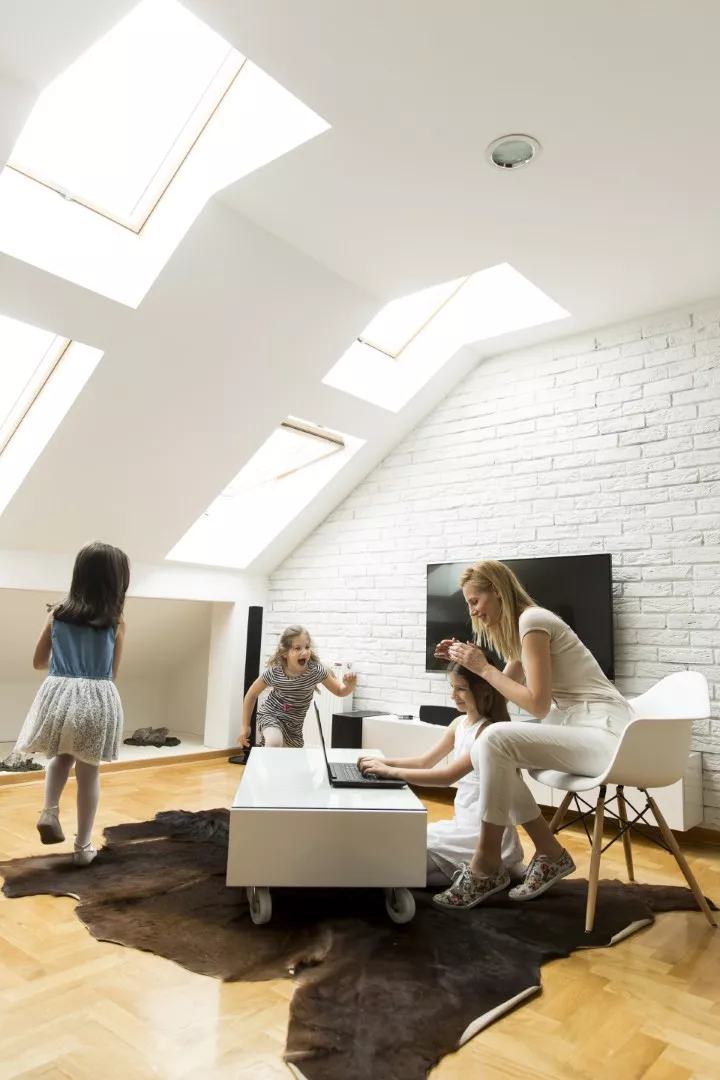
Building regulations are non-negotiable for every loft conversion in Manchester, no matter how small. These regulations make sure your conversion is safe, structurally sound, and energy efficient. You’ll need approval for structural stability, which means getting a structural engineer to sign off on any new beams or supports. Fire safety is a big one, especially if your loft conversion means your house now has three or more floors. You’ll need proper fire doors, escape routes, and smoke alarms fitted throughout. Insulation and soundproofing must meet current energy efficiency standards, and you’ll need adequate ventilation to prevent damp and condensation issues.
There are two ways to get building regulations approval. You can submit a full plans application before you start work, which gives you detailed drawings and allows you to get accurate quotes from builders. Or you can serve a building notice 48 hours before starting, though this is really only suitable for very straightforward projects. For most loft conversions, the full plans route is better because it means building control can check everything is correct before you’ve spent thousands of pounds. The inspection process happens at key stages, and once everything’s finished and signed off, you’ll get a completion certificate. Keep this certificate safe because you’ll need it when you come to sell your house.
Here’s a practical roadmap to follow when planning your Manchester loft conversion.
Not every loft can be converted. You need at least 2.2 metres of head height from the floor to the highest point of the roof. Measure this yourself before you get too excited. If you’ve got a modern trussed roof rather than traditional rafters, the conversion might be more expensive because you’ll need to replace the roof structure. Also check that there’s enough space for a proper staircase, because a loft ladder won’t cut it for a habitable room under building regulations.
There are several types of loft conversion, and each has different costs and complexity. A Velux conversion is the cheapest option, starting from around £24,000 in Manchester. This just adds roof windows to your existing roof structure without changing the roofline. A dormer conversion costs more, typically £30,000 to £45,000, but gives you much more headroom and usable floor space. Hip to gable conversions are popular for semi-detached houses and can cost £40,000 to £60,000. They involve extending your sloping roof to create a vertical gable wall. The type you choose depends on your budget, how much space you need, and what your house can structurally support.
Loft conversions in Manchester aren’t cheap, but they’re still more affordable than moving or building an extension. Budget at least £30,000 to £50,000 for a basic conversion, and more if you want an ensuite bathroom or high-spec finishes. Always add a contingency of at least 10% for unexpected costs, because something always comes up during building work. Get at least three detailed quotes from reputable builders in Manchester who specialise in loft conversions. Don’t just go for the cheapest quote. Check their previous work, ask for references, and make sure they’re properly insured.
Even if you don’t need planning permission, it’s worth getting a Lawful Development Certificate from Manchester City Council. This costs about half the price of a full planning application and gives you written confirmation that your conversion is allowed under permitted development. For building regulations, you’ll need to submit detailed plans showing structural calculations, fire safety measures, insulation specs, and ventilation. This usually takes a few weeks to get approved, so factor that into your timeline.
Before you do anything, get a structural engineer to assess your property. They’ll check if your existing walls and foundations can support the extra weight of the conversion. Manchester has a legacy of coal mining in some areas, which can affect ground stability. Your structural engineer will flag any issues and design the steel beams and supports you’ll need. This survey typically costs £500 to £1,000 but it’s money well spent because it prevents expensive mistakes later.
The staircase is often the trickiest part of a loft conversion. It needs to meet strict building regulations for headroom, width, and pitch. Work out where it’s going to go early on, because this affects the layout of the room below. Most conversions put the staircase above the existing one, but sometimes you need to sacrifice a bit of bedroom space. Make sure there’s enough head height on the landing and that the staircase doesn’t create awkward spaces in your home.
This is huge. A good builder will make the whole process smooth. A bad one will give you months of stress and a substandard result. Look for builders who specialise in loft conversions and have plenty of Manchester-based references you can check. Ask to see their insurance certificates and any trade body memberships. Get everything in writing, including a detailed breakdown of costs, a clear timeline, and payment terms. Never pay the full amount upfront. A typical payment schedule is 10% deposit, then stage payments as the work progresses.
If you share a wall with a neighbour and your loft conversion affects that wall, you’ll need a party wall agreement under the Party Wall Act 1996. This is really common in Manchester’s terraced streets. You need to serve notice to your neighbours at least two months before starting work. If they agree, great. If they don’t respond or disagree, you’ll need to appoint a party wall surveyor to prepare a formal award. Budget £1,000 to £2,500 for surveyor fees. It’s a legal requirement and there’s no way around it, so factor this into your costs and timeline.
A typical loft conversion in Manchester takes 8 to 12 weeks from start to finish, but this can vary depending on the complexity and the weather. Winter projects can take longer because of shorter days and wet conditions. Factor in a few extra weeks for planning and building regulations approval before work even starts. Your builder should give you a realistic timeline and keep you updated if anything changes. Good communication is key.
You’ll need to plan where your electrics, heating, and plumbing will go. If you’re adding a bathroom, you need to make sure the water pressure is adequate and that waste pipes can be routed properly. Heating your new loft room might mean upgrading your boiler or extending your central heating system. Get an electrician and plumber involved early in the planning stage so these services are designed in from the start, not bolted on as an afterthought.
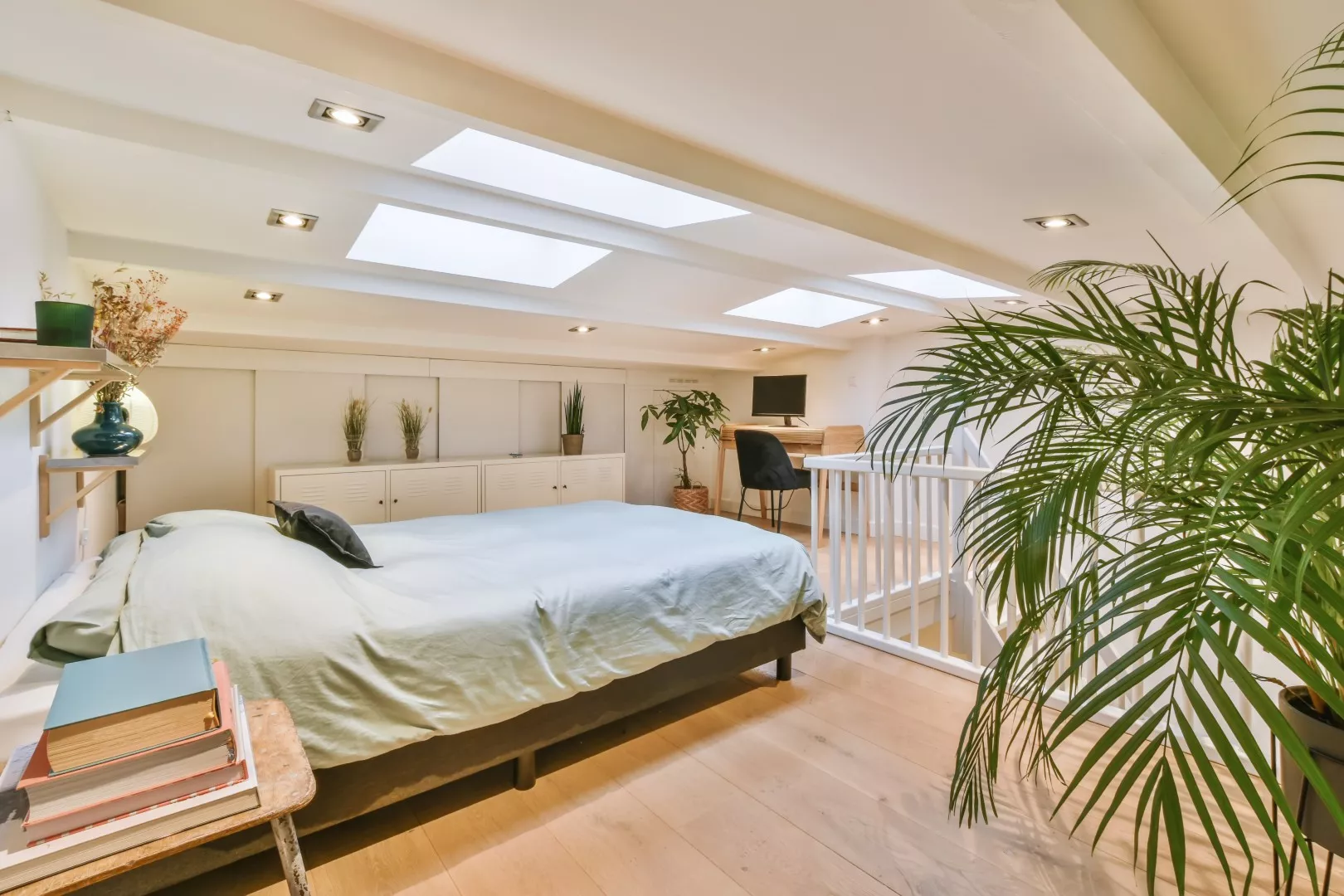
Velux conversions are the most straightforward and affordable option. You’re basically working within your existing roof structure and adding roof windows for light and ventilation. There’s no change to the roofline, which is why they’re almost always covered by permitted development. They’re perfect if you’ve got good head height already and just need to make the space usable. The downside is that you don’t get as much usable floor space as you would with a dormer, because the roof still slopes down on both sides. Costs start from around £24,000 in Manchester, making this a great entry-level option if you’re on a tighter budget.
Dormer conversions are the most popular type in Manchester because they give you so much more space. A dormer is an extension that projects out from the roof slope, creating a box-like structure with a flat roof. This gives you much better head height and usable floor space. Rear dormers are usually allowed under permitted development as long as they meet the size limits. Side and front dormers often need planning permission. Dormers cost more than Velux conversions, typically £30,000 to £45,000, but the extra space and value they add usually makes them worth it. They’re ideal for creating a proper bedroom with an ensuite or a spacious home office.
If you live in a semi-detached or detached house with a hipped roof, a hip to gable conversion might be your best option. This involves extending the sloping side of your roof to create a vertical gable wall, which massively increases your internal space. You can then add a rear dormer on the back to create even more room. This type of conversion is really popular in Manchester suburbs like Sale, Altrincham, and Stretford where semi-detached houses are common. Costs typically range from £40,000 to £60,000 depending on the size. You’ll usually need planning permission if the work goes beyond permitted development limits, so check with Manchester City Council first.
Finding a good builder is absolutely critical. Start by asking friends and family in Manchester for recommendations. Check online reviews on sites like Checkatrade and Trustpilot, but take them with a pinch of salt because some can be fake. Visit completed projects if possible. Seeing a builder’s actual work tells you far more than any website. Make sure they have public liability insurance and a guarantee or warranty on their work. Get at least three detailed written quotes that break down labour, materials, and timescales. Don’t automatically go for the cheapest. A builder who’s significantly cheaper than others might be cutting corners or planning to add extra costs later.
Ask potential builders about their experience with loft conversions specifically. General builders might be great at extensions but lack the specialist knowledge needed for loft work. Find out if they’ll manage the whole project, including coordinating electricians, plumbers, and plasterers, or if you’ll need to organise subcontractors yourself. A good main contractor in Manchester will handle everything and give you one point of contact. Check their availability too. If they can start immediately, that might be a red flag. Good builders are usually booked up a few months in advance. Dream Homes Construction is known for its reliable, highly skilled tradespeople and its full-service approach, covering design, build and completion. Every project is covered by public liability insurance and a works warranty for total peace of mind.
We’ve been helping Manchester homeowners transform their lofts for years, and we know exactly what works in this city. From your first idea to the final walkthrough, we handle every step of the process. We’ll assess your loft to see what’s possible, guide you through planning and building regulations, and manage the entire build with our trusted team. Our loft conversions come with full insurance and a works warranty, so you can relax knowing the job’s done properly. We’ve worked on hundreds of Manchester properties, from Victorian terraces in Chorlton to modern semis in Sale, so we understand the challenges and opportunities each type of house brings. If you’re thinking about a loft conversion, get in touch for a free, no-obligation chat about what we can do for your home. We’ll give you honest advice and a realistic quote, with no hidden costs or surprises down the line.
