
Close
The romantic vision of building your own home is powerful. You’re in control, making every decision, saving money by cutting out the middleman, and creating something uniquely yours. Then reality hits. Managing multiple trades, chasing suppliers, dealing with building control, working full time, and trying to keep your family life intact while coordinating a construction site is harder than YouTube videos make it look. The question isn’t whether self-build can save money, because it can. The question is whether the savings justify the time, stress, risk, and learning curve, or whether hiring a professional main contractor delivers better value when you factor in everything properly. This guide gives you an honest comparison based on real Manchester projects, actual costs from 2026, and the experiences of people who’ve done both.
Let’s start with what everyone wants to know. How much cheaper is managing your own build compared to hiring a main contractor? According to industry data, if you self-manage the works efficiently with minimal issues, you might be able to shave 20% off the main contractor figure, largely because you won’t have to pay for the builder’s profit margin.
For a typical single storey extension in Manchester costing £80,000 with a main contractor, you might spend £64,000 managing it yourself if everything goes perfectly. That’s a £16,000 saving. For a full new build costing £300,000 with a contractor, you could potentially do it for £240,000 self-managing. That’s £60,000 saved, which is life-changing money for most people.
But here’s the critical part. Those savings assume you manage the project efficiently with minimal issues. In practice, approximately 35% of the total cost of building a house is labour, so if you decide to substitute some or all of the labour costs with your own DIY labour, you can reduce the average build cost substantially. However, this only works if you have the skills, time, and project management capability to deliver.
Research shows that self-build projects where owners manage construction save approximately 15-25% on labour costs through personal project management, direct trade contracting, and hands-on involvement in non-skilled work. But the same research notes that self-builders face extended timescales, learning curves, and stress from coordinating multiple trades and managing problems.
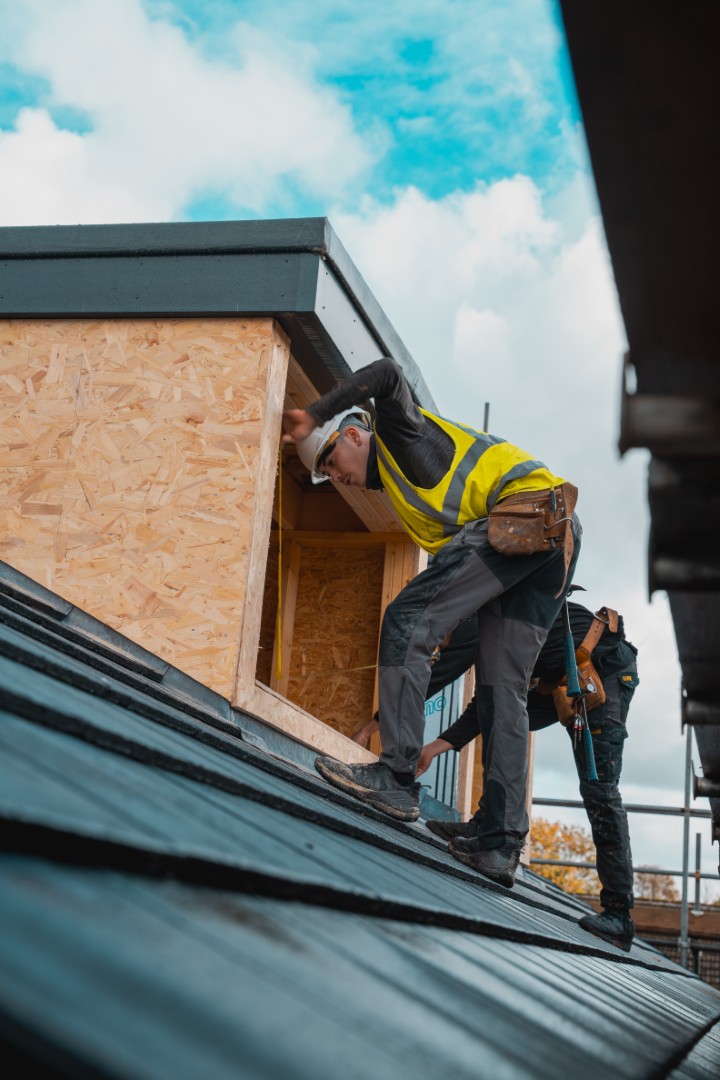
When contractors quote, they typically add around 20% for profit and overheads. Many homeowners look at that 20% and think it’s pure profit they could save. It’s not. That 20% covers project management time spent planning, scheduling, and coordinating, established relationships with reliable subcontractors, bulk buying discounts on materials that you can’t access, professional insurance including public liability and contract works, equipment and facilities including scaffolding, site welfare, and tools, and their expertise in avoiding costly mistakes.
A good main contractor has spent years building relationships with trades who do quality work and turn up when they’re supposed to. They know which suppliers deliver on time and which materials perform well in Manchester’s climate. They understand building regulations inside out and know what inspectors look for. They’ve dealt with every common problem multiple times and know how to fix issues quickly without panic.
You’re not just paying for someone to swing a hammer. You’re paying for knowledge, systems, contacts, and risk management that took them years to develop. Whether that’s worth 20% of your project cost depends on your own skills, time, and tolerance for uncertainty.
The 15 to 25% saving from self-management looks attractive until you factor in costs that don’t appear on spreadsheets. Your time is the biggest hidden cost. Managing a building project is effectively a full-time job for the duration. If you’re working full time, that means evenings, weekends, and probably some annual leave spent on site or chasing suppliers and trades.
If you’re employed and earning £50,000 a year, your time is worth roughly £200 per day. If managing your build takes 100 days over 6 months, that’s £20,000 of your time. Suddenly that £16,000 saving on an £80,000 extension doesn’t look so appealing. If you’re self-employed, the opportunity cost is even clearer. Every day you’re managing builders is a day you’re not earning.
Mistakes are another hidden cost. A contractor who’s built 50 extensions knows that certain ground conditions in Manchester require deeper foundations. You might not know until building control fails your inspection and you’re digging out and re-pouring at extra cost. A professional knows which materials need ordering 8 weeks ahead to avoid delays. You’ll learn that when work stops because windows haven’t arrived.
According to government building materials data, supply chain issues remain common in 2026. Managing material deliveries without professional experience often leads to delays, which cost money in extended finance costs, temporary accommodation, or lost rental income if it’s a buy-to-let.
Then there’s stress and relationship impact. Managing a build while working full time and maintaining family life is exhausting. The stress of coordinating multiple trades, dealing with problems, making constant decisions, and worrying about costs takes a toll. Many self-builders report that the process strained their relationships and mental health in ways they hadn’t anticipated.
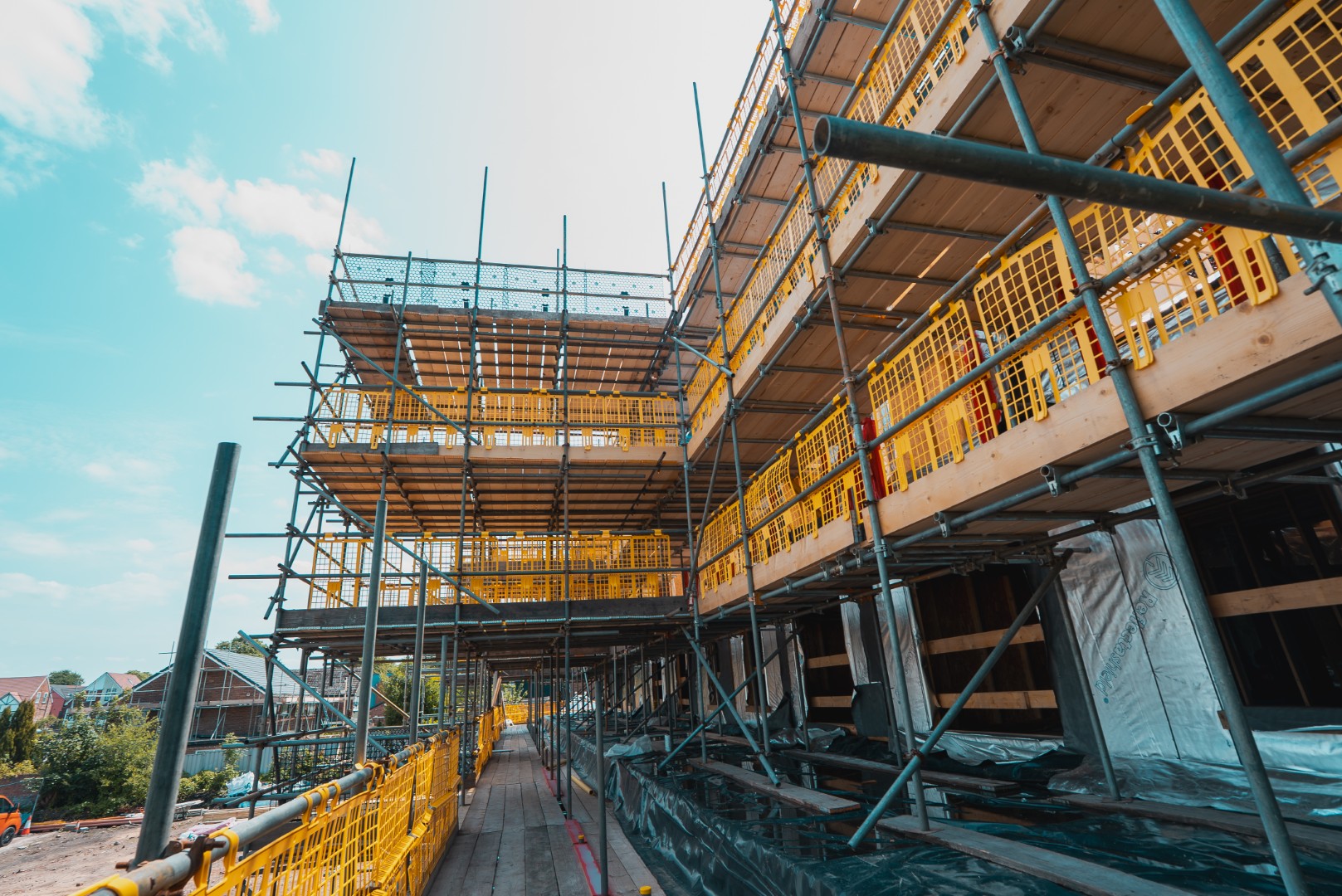
Self-managing isn’t always the wrong choice. For some people in some circumstances, it’s excellent value. Here’s when it works well.
If you work in construction, project management, or a related field, you already understand how sites operate. You know how to read drawings, coordinate trades, and spot problems before they escalate. Your learning curve is much shorter and your risk of expensive mistakes is lower. Many successful self-builders are builders themselves, or engineers, architects, or quantity surveyors who understand construction.
Retired people, those on career breaks, or people working part-time or flexibly can dedicate the time needed to manage a build properly. If you can visit the site daily, be available for deliveries, and respond to questions immediately, you avoid many of the delays that plague part-time project managers. Some people take 6 to 12 months off work specifically to manage their build. If you’ve planned for this financially, it can work brilliantly.
If your budget is so constrained that hiring a contractor makes the project unaffordable, self-managing might be your only option. Just be realistic about what you can achieve. A tight budget combined with no experience is risky. You need either time or money to absorb problems. Having neither often leads to abandoned projects or quality compromises you’ll regret.
Managing a small single-room extension is very different from managing a full house build. Simple projects with fewer trades, shorter timescales, and limited complexity are more forgiving of inexperience. If the worst that can happen is a few weeks delay and a couple of thousand pounds over budget, the risk is manageable. For complex builds with structural work, multiple stories, or bespoke design, the risk profile changes dramatically.
Some people genuinely enjoy the learning process and are prepared for things to go wrong. If you approach self-build as an education, accepting that mistakes will happen and cost money, the experience can be rewarding. But if you expect everything to go smoothly because you’ve watched some videos and read a book, you’re setting yourself up for frustration.
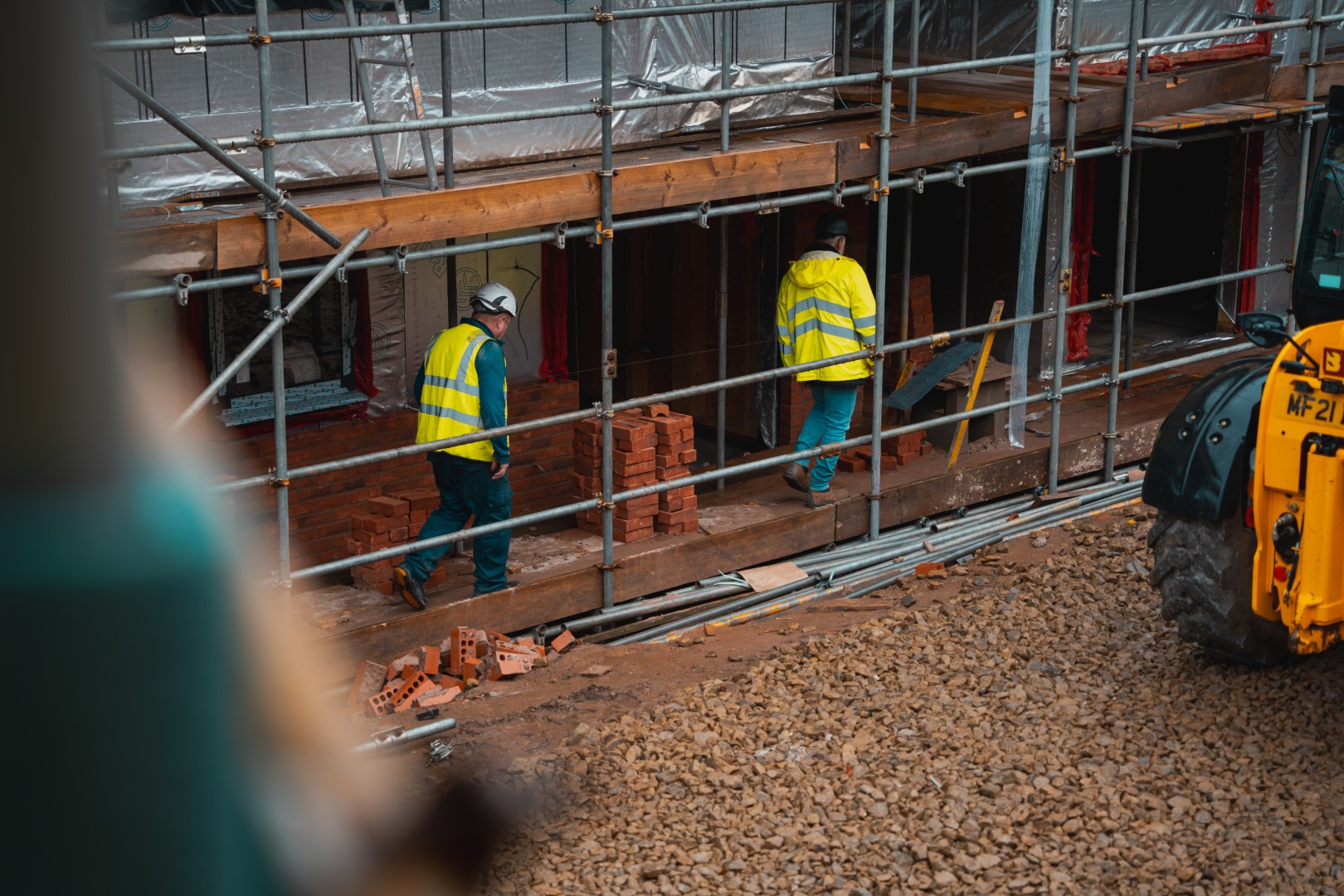
For most people in most situations, hiring a professional contractor delivers better value when everything is properly considered.
If you can’t visit site daily or be available during working hours, managing trades yourself is almost impossible. Deliveries arrive when you’re in meetings. Trades have questions when you’re on a conference call. Problems emerge that need immediate decisions but you’re not available until evening. Contractors manage all of this as their job. Your job remains your job, and your income continues uninterrupted.
Anything involving structural changes, multiple stories, bespoke design, or listed buildings needs professional expertise. The cost of mistakes on complex projects is too high to risk learning on the job. A main contractor has professional indemnity insurance covering design errors and omissions. If they get something wrong, they fix it. If you get it wrong, you pay to fix it.
Main contractors typically work to fixed price contracts. You know the cost upfront and are protected from overruns except for variations you request. Self-managing means you bear all the cost risk. If materials cost more than expected, ground conditions are worse than anticipated, or work takes longer than planned, you absorb those costs. Some people prefer paying 20% more for certainty over saving 20% but gambling on the final cost.
A formal contract with a main contractor gives you legal rights and remedies if things go wrong. Most contractors offer warranties on their work, and many are members of trade bodies with dispute resolution services. If you’re managing your own trades, you’re coordinating multiple contracts with individual subcontractors. If something goes wrong, working out who’s responsible and getting it fixed is complicated and often impossible.
Professional contractors have the resources, contacts, and systems to deliver projects on schedule. Self-managed builds almost always take longer than planned because you’re learning as you go, trades aren’t available when you need them, and problems take longer to resolve. If timeline matters, paying for professional project management is worth it.
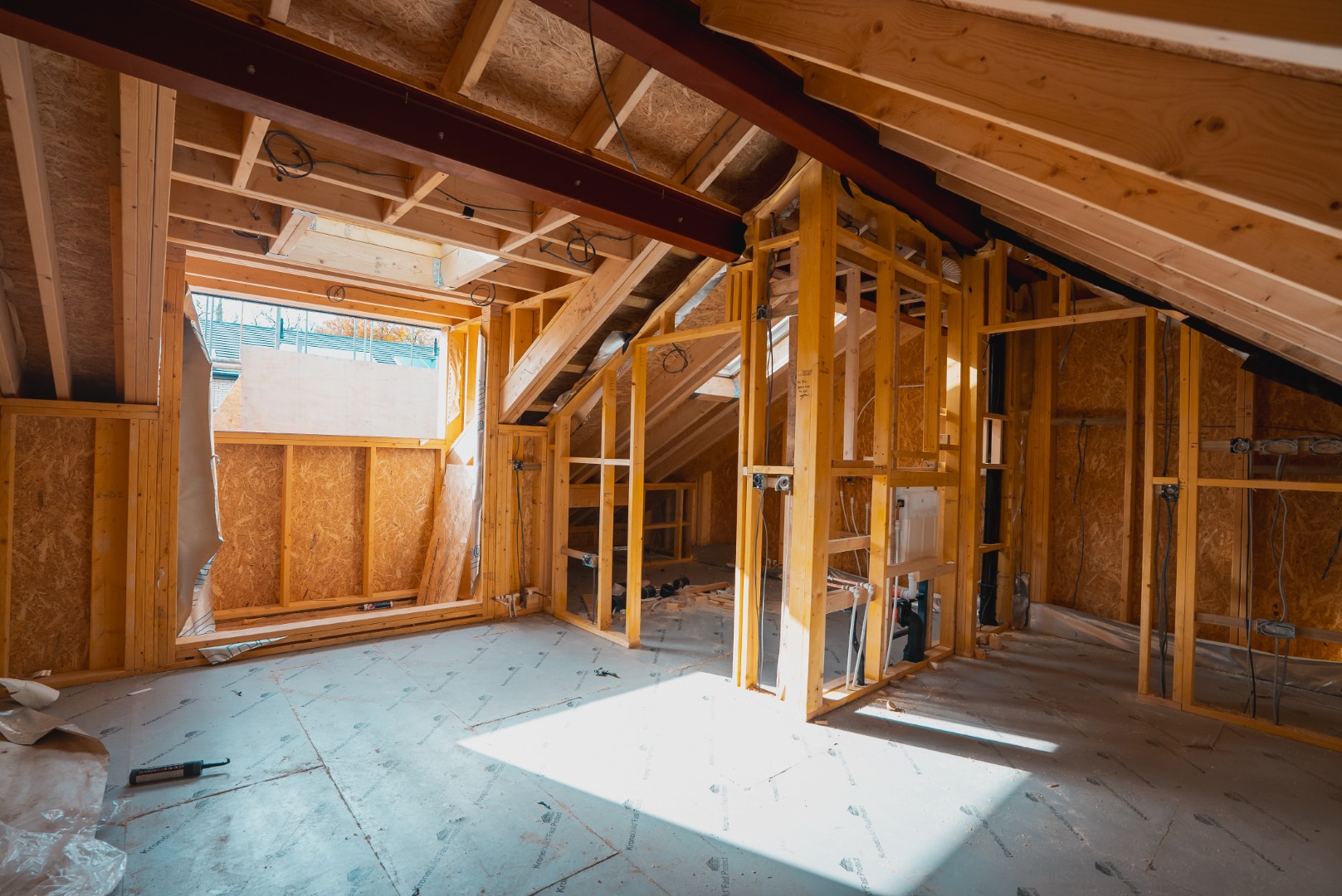
You don’t have to choose all or nothing. Many successful projects use a hybrid approach that balances cost savings with professional support.
Some homeowners employ a main contractor for complex stages like groundwork, structure, and roof, then manage simpler finishing trades themselves. This reduces risk where it matters most while saving money on more straightforward work. Others hire a project manager who coordinates trades and manages the schedule, but the homeowner sources materials and makes decisions. This costs less than a full main contractor but provides professional oversight.
Another approach is to use a main contractor but take on specific tasks yourself where you have skills. If you’re a decorator by trade, you handle all painting and save thousands. If you’re a keen DIYer, you fit your own kitchen once the contractor has done first fix. This requires agreement with your contractor and clear boundaries about who does what, but it can work well.
Some people start with a contractor and discover they enjoy the process, then take on more themselves on future projects. Your first build probably isn’t the time to self-manage unless you have relevant experience, but once you’ve watched professionals and learned the process, your second project might be different.
Let me share some real examples from Manchester to make this concrete. Project A was a single storey rear extension managed by the homeowner who works in IT. Budget was £65,000. Actual cost £78,000 and took 9 months instead of 5. Delays from material ordering mistakes, three building control failures requiring remedial work, and inefficient trade coordination all added cost. The homeowner estimated he spent 300 hours managing the project. He saved perhaps £8,000 versus hiring a contractor, but valued his time at over £10,000 and the stress at even more.
Project B was a similar extension using a main contractor. Budget £80,000. Final cost £82,000 including two client-requested variations. Completed in 14 weeks. The homeowners worked full time throughout and barely had to think about the build except for weekly updates and occasional decisions. They feel they got good value despite paying more because their lives continued normally and the result was professional.
Project C was a full house build self-managed by a retired engineer. Budget £280,000. Final cost £265,000 and took 18 months. The client had the time, skills, and temperament for self-build. He enjoyed the process, made excellent decisions, and delivered a home worth considerably more than he spent. His cost saving was genuine and substantial because he brought real expertise and dedicated full-time effort.
These examples show that context determines whether self-build works. Skills, time, project complexity, and personal tolerance for uncertainty all matter more than simple cost percentages.
We work with clients across the full spectrum from those who want complete turnkey delivery to those who want to take an active role in their build. For clients who want to employ us as main contractor, we provide fixed price quotes, professional project management, and full coordination of all trades and materials. You get certainty, quality, and speed in exchange for our 15 to 20% margin which covers our expertise, systems, and risk management.
Dream Homes Construction is known for its reliable, highly skilled tradespeople and its full-service approach, covering design, build and completion. Every project is covered by public liability insurance and a works warranty for total peace of mind. For clients with construction knowledge who want to manage parts of the build themselves, we can work on a labour-only basis or manage specific stages while you handle others. We’re flexible about contract structures as long as responsibilities are clear and the arrangement works for both parties.
We also advise people considering self-build. If you’re planning to manage your own project and want professional input on what’s realistic, we can provide honest feedback on your plans, skills, and timescales. Sometimes the best advice we give is that self-build isn’t right for your situation. Other times we encourage people who underestimate their capability.
If you’re planning a build in Manchester and unsure whether to self-manage or hire a contractor, get in touch. We’ll discuss your specific situation, your skills and available time, your project’s complexity, and what approach gives you the best outcome. Whether you end up employing us or managing it yourself, we’ll give you honest guidance based on what’s actually in your interests, not just what gets us the work.
