Close
Choosing the right type of contract for your Manchester building project might not sound exciting, but it’s one of the most important decisions you’ll make. Get it right and you’ll have clear expectations, predictable costs, and a smooth build. Get it wrong and you could end up with budget blowouts, endless disputes, or a contractor who’s cutting corners to protect their profit. Most homeowners in Manchester don’t understand the difference between fixed price and cost plus contracts until they’re already committed to one. By then it’s too late to change your mind. This guide will explain both contract types in plain English, show you the pros and cons of each, and help you work out which one suits your project, your budget, and how involved you want to be in the day to day running of your build.
At the most basic level, a fixed price contract means you agree a total price upfront before any work starts. Your contractor takes on the risk of managing costs and delivers your project for that agreed amount, regardless of what it actually costs them. A cost plus contract means you pay the actual costs of labour, materials, and subcontractors, plus an agreed markup or fee for the contractor’s profit and overheads. The final price isn’t known until the project is finished.
Think of it this way. Fixed price is like booking an all inclusive holiday. You pay one price and everything’s covered, no matter what happens. Cost plus is more like travelling independently. You pay for each hotel, meal, and activity as you go, and the final cost depends on your choices along the way. Neither is better or worse in absolute terms. They’re suited to different types of projects, different budgets, and different levels of homeowner involvement. Understanding which fits your situation is crucial.

Under a fixed price contract, sometimes called a lump sum contract, your contractor quotes a total price to complete all the work described in your specification and drawings. That price includes their estimate of labour costs, material costs, subcontractor fees, site preliminaries like skips and scaffolding, profit margin, and a contingency buffer for unexpected issues. Once you’ve agreed and signed the contract, that’s what you pay, with very limited exceptions.
The contractor takes on most of the financial risk. If materials cost more than they expected, if the job takes longer, or if problems crop up that weren’t obvious at the start, they absorb those costs. You’re protected from cost overruns as long as you don’t make changes to the original specification. Any changes you request during the build, called variations, are priced separately and added to the contract sum. Good fixed price contracts include detailed specifications and drawings so both parties know exactly what’s included and what’s not.
For a fixed price contract to work properly, your design needs to be pretty much finished before you get quotes. You can’t ask contractors to price work accurately if you’re still making major decisions about layout, materials, or finishes. This means spending time and often money on detailed plans and specifications upfront. In Manchester, most extensions, loft conversions, and standard renovations use fixed price contracts because the scope is clear and comparable quotes can be obtained from multiple contractors.
A cost plus contract, also called a cost reimbursable contract, works completely differently. Instead of agreeing a total price upfront, you agree to pay the contractor’s actual costs plus an additional amount for their services. The contractor keeps detailed records of everything they spend on your project including labour hours, materials purchased, subcontractor invoices, and equipment hire. They present you with regular invoices, usually monthly, showing these costs plus the agreed markup.
The markup can be structured in different ways. It might be a fixed percentage of costs, typically 10 to 20 percent in the UK residential market. Or it could be a fixed fee regardless of total costs. Some cost plus contracts include a guaranteed maximum price, which acts as a cap to protect you from runaway costs, though this shifts some risk back to the contractor. The key feature of cost plus is transparency. You can see exactly where your money is going and what everything actually costs.
This type of contract works well when the full scope of work isn’t clear at the start, when you want flexibility to make changes as you go, or when you’re doing high end bespoke work where material choices can’t be finalised upfront. It requires more involvement from you because you’re effectively taking on the financial risk. If costs spiral, you pay more. The contractor’s profit is often protected regardless, which can reduce their motivation to control costs tightly unless the contract is well structured.
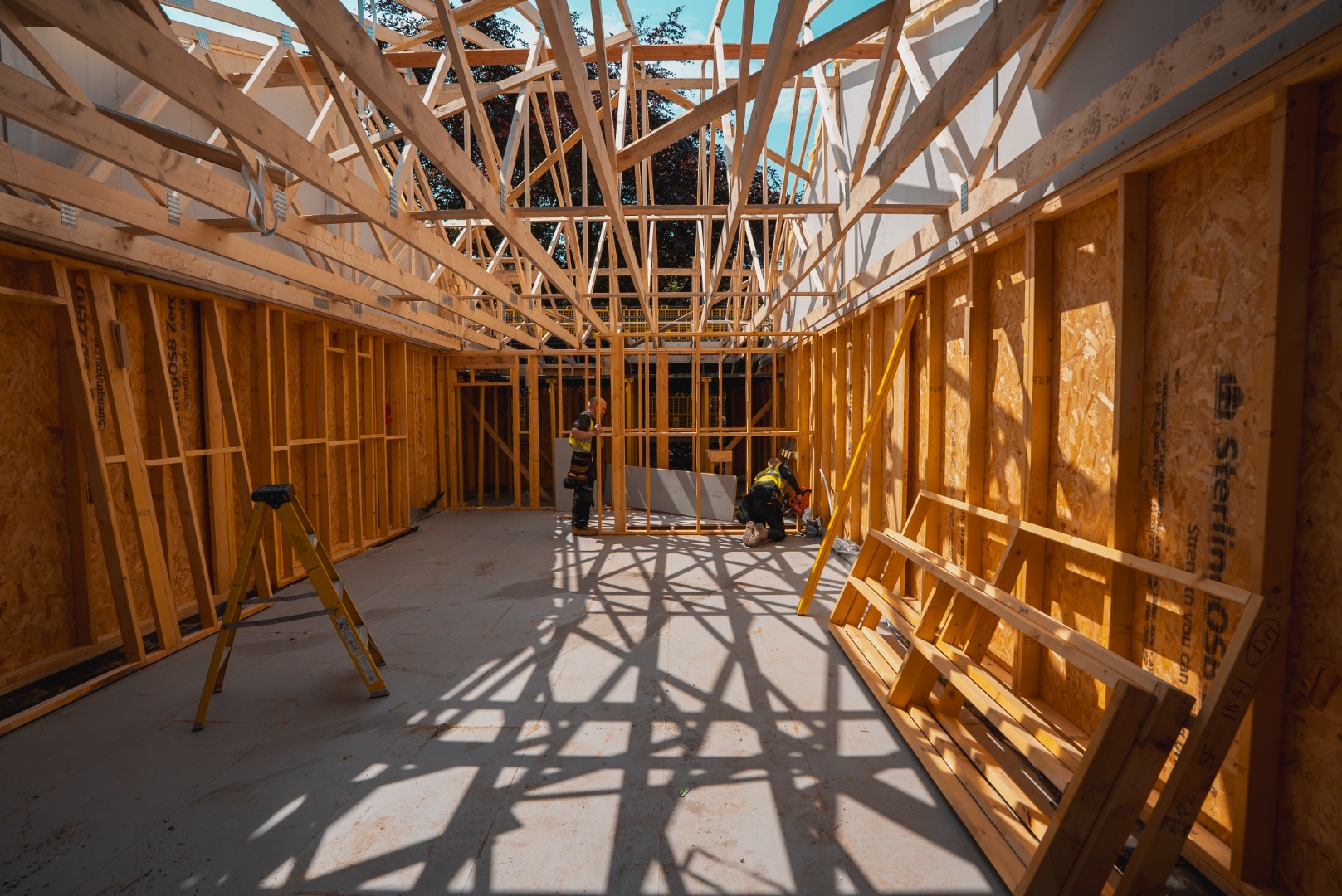
Let me walk you through what fixed price contracts involve from start to finish and what you need to know.
For a fixed price quote to be accurate and fair, you need to finish your design and make all major decisions before approaching contractors. This means working with an architect or designer to produce detailed plans, choosing your materials and finishes, specifying fittings and fixtures, and getting any necessary planning permission or building regulations approval sorted. The more complete your information, the more accurate the quotes you’ll receive.
Skipping this step causes problems. If you ask for fixed price quotes with incomplete information, contractors either make assumptions that might not match what you actually want, or they add big contingencies to cover the uncertainty. Either way, you don’t get value. In Manchester, expect to spend £3,000 to £10,000 on architectural and design fees for a typical extension before you even approach contractors for pricing.
Once your design is ready, approach at least three reputable contractors for fixed price quotes. Give each one exactly the same information so you’re comparing like with like. A proper quote should break down the price into sections like groundwork, structure, roofing, first fix, second fix, finishes, and so on. It should list what’s included and what’s excluded. Be wary of single figure quotes with no detail because you can’t tell what you’re actually getting.
Don’t automatically go for the cheapest quote. A contractor pricing significantly lower than others has either missed things out, is planning to cut corners, or doesn’t understand the work involved. Any of these scenarios will cause you grief later. Look for quotes in the middle range and assess the contractors based on their experience, references, and how thoroughly they’ve approached the quoting process.
Your fixed price contract should include or reference a detailed specification document that describes every aspect of the work. This covers the quality and type of materials to be used, the standards of workmanship expected, what preparation work is included, how the site will be managed and protected, and when payments are due. The specification protects both parties. It stops contractors using cheaper materials than you expected, and it stops you demanding higher specifications than you’ve paid for.
Many disputes on fixed price contracts arise because the specification wasn’t clear enough. For example, if your quote just says new kitchen, that could mean anything from flat pack units to bespoke cabinetry. A good specification would detail the manufacturer, model, finishes, worktop material, appliances to be supplied, and installation standards. Spending time on the specification saves huge headaches later.
Under a fixed price contract, any changes you make after signing are charged separately through variation orders or change orders. These are usually priced at day rates or hourly rates rather than competitive prices because the contractor knows you’re committed. Be very careful about making changes during the build. Contractors sometimes make more profit on variations than the main contract, and costs can quickly spiral.
If you absolutely must make a change, get a written quote for the variation before work proceeds. Understand that changes might delay your project as well as costing extra. Some contractors are brilliant at encouraging variations because they know it’s profitable. Resist unless the change is genuinely necessary or adds significant value. The whole point of a fixed price contract is budget certainty, and variations undermine that.
Fixed price contracts usually involve stage payments rather than paying everything upfront or everything at the end. A typical schedule might be 10 percent on signing, 25 percent when foundations are complete, 25 percent at first floor level or when the roof is watertight, 25 percent when first fix is done, and the final 15 percent on completion. The exact percentages vary but the principle is that you pay for work as it’s completed.
Never pay more than the value of work completed, and always hold back at least 5 to 10 percent retention until a few weeks after final completion. This retention ensures the contractor comes back to fix any snagging issues. If they’ve already been paid in full, their motivation to return for minor fixes drops dramatically. Stage payments also protect the contractor by ensuring they’re not funding your project from their own cash flow.
Remember that under a fixed price contract, the contractor has priced in risk. If your project has potential complications, they’ve added a buffer to cover them. If those complications don’t materialise, the contractor keeps that buffer as extra profit. This is fair because they’re taking the risk. But it means you might pay slightly more than the actual cost of the work in exchange for certainty and protection from overruns.
Fixed price works best for straightforward projects with well defined scopes. If your project involves lots of unknowns, like a full renovation of an old Manchester terrace where you don’t know what’s behind the walls, a fixed price quote will include large contingencies. You might get better value with a different contract structure.
Before releasing each stage payment, inspect the work to make sure it’s actually complete and done properly. Don’t just take the contractor’s word for it. Walk the site, check quality, and make sure everything matches the specification. If there are issues, raise them before you pay. Once you’ve paid, your leverage to get problems fixed reduces significantly.
Most disputes on fixed price contracts happen because homeowners either didn’t inspect work properly before paying, or because they made lots of variations that weren’t properly documented and priced. Avoid both these pitfalls by being diligent throughout the project, not just at the end.
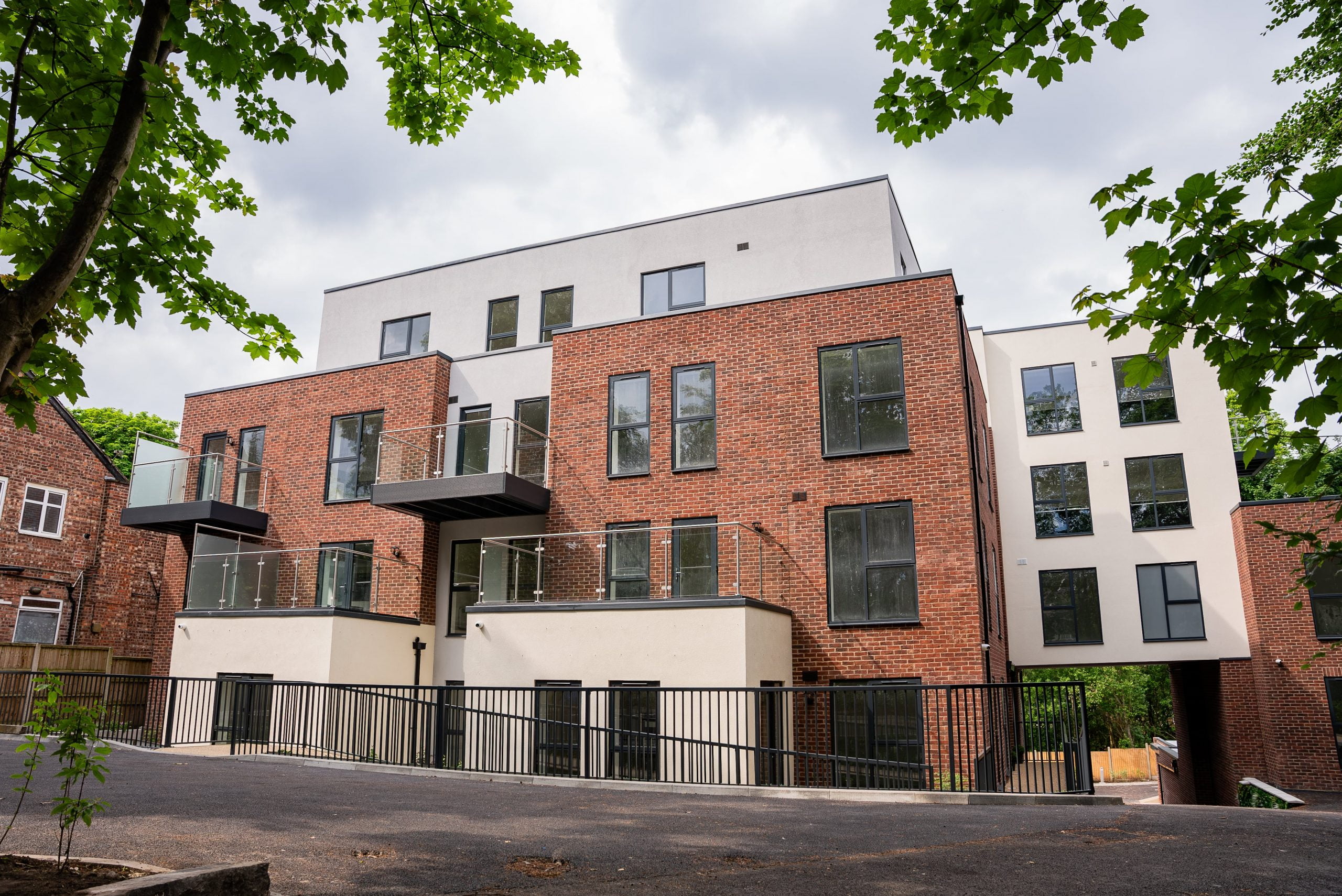
Now let’s look at how cost plus contracts work in practice and what you need to manage.
Before work starts, you need to agree exactly how the contractor’s fee will be calculated. Is it a fixed percentage of all costs? If so, what percentage and does it apply to everything including subcontractors? Or is it a fixed monthly fee regardless of spending? What about their project management time, is that charged separately or included in the markup? Get absolute clarity on this because it determines your final cost.
In Manchester’s residential market, typical cost plus markups range from 10 to 20 percent, with 15 percent being fairly standard. Lower markups might seem attractive but check what’s included. Sometimes contractors on low markups charge separately for project management, site supervision, insurance, and other overheads, meaning your effective cost ends up higher than a contractor charging a higher headline markup but including everything.
For a cost plus contract to work, you need transparency and trust. The contractor should provide detailed monthly invoices showing every cost incurred, backed up with receipts, supplier invoices, timesheets, and subcontractor bills. You need to be able to verify that you’re only paying for genuine project costs, not the contractor’s general business expenses or inflated prices from suppliers giving them kickbacks.
Some contractors use construction management software that gives clients real time access to costs. This is ideal because you can see spending as it happens and question anything that looks wrong. If your contractor can’t or won’t provide detailed cost breakdowns, a cost plus contract is risky. You’re relying entirely on their honesty, and sadly not everyone in the construction industry is honest.
Under cost plus, every material choice you make directly affects your cost. There’s no fixed allowance forcing you to choose cheaper options. This flexibility is great if you want high end finishes, but it requires discipline. It’s easy to upgrade every single item because you’re not seeing the total immediately. Then the final bill arrives and it’s 30 percent over budget.
Work with your contractor to establish material budgets for different elements. Get them to show you options at different price points. Understand the cost implications of your choices before committing. A cost plus contract gives you freedom, but with freedom comes responsibility to manage your spending.
Scope creep is where the project gradually expands beyond what you originally intended, with extra work being added bit by bit. Under a fixed price contract, scope creep is limited because variations are priced and obvious. Under cost plus, it’s much easier for scope to creep because additional work just gets added to the monthly invoice. You might not even realise the project is growing until costs have ballooned.
Combat this by having a clear written scope of work at the start, even though it’s a cost plus contract. Agree that any work outside that scope needs your written approval before proceeding, with an estimate of cost. Review monthly invoices carefully and question anything that wasn’t in the original plan. Stay engaged throughout the build rather than just waiting for it to be finished.
Under a fixed price contract, the contractor is motivated to finish quickly so they can move on to the next job and start earning again. Under cost plus, there’s less urgency because the contractor gets paid for their time regardless. A project that drags on doesn’t hurt them financially. In fact, if they’re charging a percentage markup, a longer project with more supervision hours actually earns them more.
To avoid this, include timeline expectations in your contract and agree what happens if the project overruns without good reason. Consider adding a bonus for early completion or a penalty for late completion. Make sure the contract specifies how many supervision hours per week are included before additional management fees apply.
Schedule monthly meetings with your contractor to review costs, progress, and any issues. Compare actual spending against the initial estimate. If you’re tracking significantly over budget, find out why and what can be done. These reviews keep everyone accountable and prevent nasty surprises at the end. They also give you the chance to adjust your choices if costs are running high.
Good contractors on cost plus contracts will warn you if spending is heading over budget and suggest ways to bring costs back in line. Cowboys will just keep billing and present you with a massive final invoice. The quality of communication and transparency tells you whether you’ve hired the right contractor for a cost plus arrangement.
At the end of the project, your contractor should provide a final account showing total costs and the markup applied. Go through it line by line. Check that all receipts and invoices are genuine and relate to your project. Make sure you’re not being charged for materials that went to someone else’s job or for labour hours that seem excessive. It’s tedious work but essential.
If you spot anything questionable, raise it immediately. Most contractors are honest, but the nature of cost plus contracts makes it easier for dishonest ones to inflate costs or charge for things you didn’t receive. Your diligence protects you and ensures you’re only paying for what you actually got.
Let me break down the advantages and disadvantages of each contract type so you can see them clearly. Fixed price contracts give you budget certainty. You know the cost upfront and are protected from overruns. There’s less need for you to track every detail because the contractor manages costs. Competitive quoting between multiple contractors often results in better value. The contractor is motivated to work efficiently and control costs to protect their profit.
But fixed price contracts also have downsides. Design must be complete before quoting, which takes time and money upfront. Changes during the build are expensive and often priced at premium rates. If your project has lots of unknowns, the contractor adds big contingencies making the quote higher. You have less flexibility to adjust as you go. Quality can suffer if contractors cut corners to maintain their margin.
Cost plus contracts offer different advantages. You can start work before every detail is finalised, which is faster. There’s complete transparency on where your money goes. You have flexibility to make changes and upgrades without formal variation orders. You only pay actual costs plus markup, so no contingency padding. The contractor isn’t incentivised to rush or cut corners.
The downsides of cost plus are significant though. Final cost is uncertain, making budgeting difficult. You need to monitor costs closely, which takes time and effort. There’s potential for costs to spiral if not managed carefully. The contractor has less motivation to work efficiently because they’re paid regardless. You take on most of the financial risk rather than the contractor.
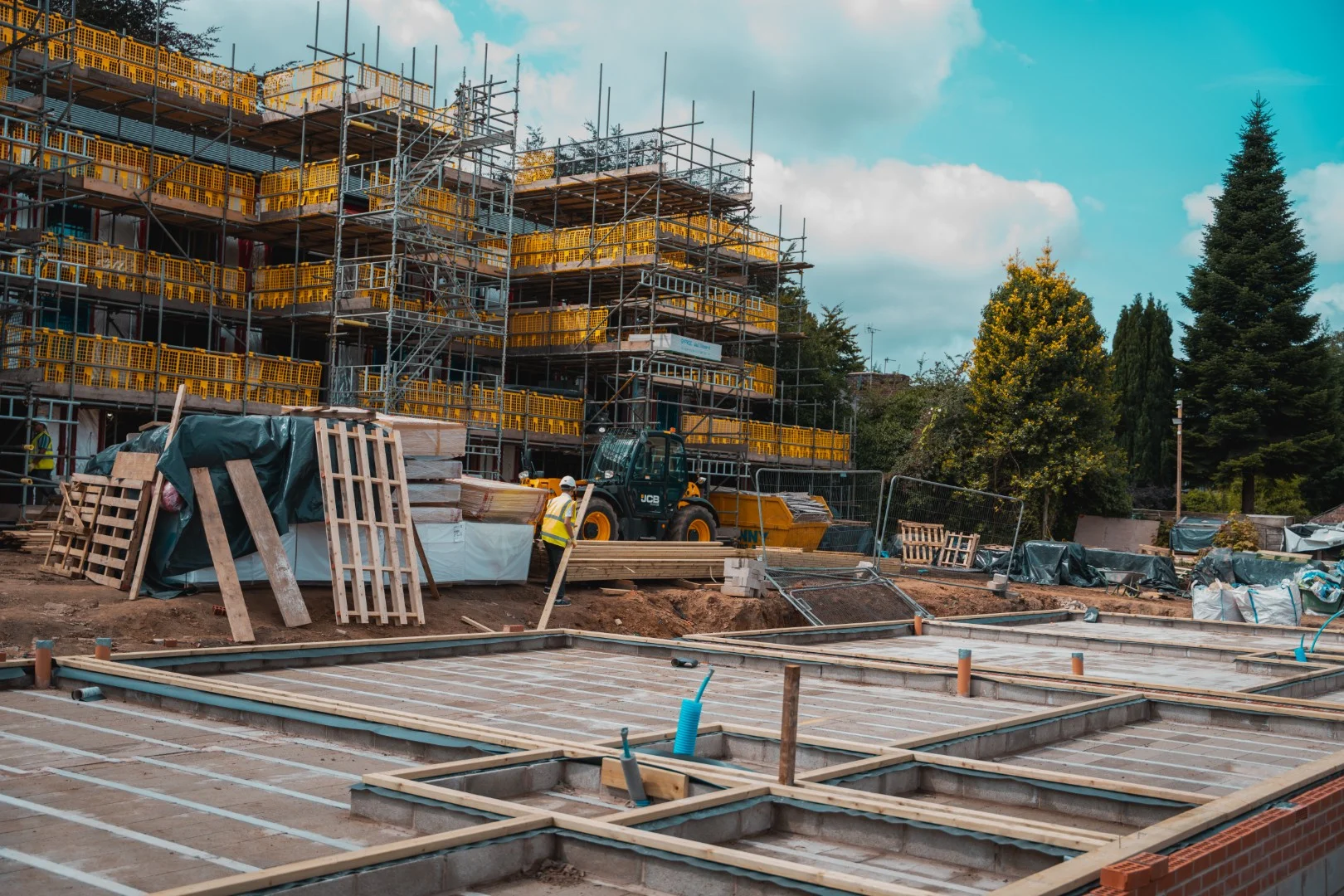
To choose between fixed price and cost plus, start by honestly assessing your project. How complete is your design? If it’s detailed and finalised, fixed price works well. If you’re still developing ideas, cost plus gives you flexibility. How certain are you about the scope? For predictable work in a modern property, fixed price is safer. For renovation work in a Victorian Manchester terrace where you don’t know what’s behind the plaster, cost plus might be more realistic.
Consider your budget and risk tolerance. If you need absolute budget certainty or are borrowing against a fixed amount, go with fixed price. If you can handle some uncertainty and prefer transparency over certainty, cost plus might suit you. Think about your available time and involvement. Fixed price needs less day to day oversight once you’ve chosen your contractor. Cost plus requires you to review costs regularly and stay engaged.
Finally, assess the contractor themselves. Have they got proven experience with your chosen contract type? Do they have systems in place for cost tracking if you’re considering cost plus? Can they provide verifiable references from previous clients using the same contract structure? The quality and reliability of your contractor matters more than the contract type. A good contractor on a cost plus contract will deliver better value than a cowboy on a fixed price who cuts every corner.
We work with both fixed price and cost plus contracts depending on what suits your project best. For straightforward extensions and loft conversions where the scope is clear, we typically recommend fixed price. We’ll work with you to finalise your design, then provide a detailed quote with a comprehensive specification so you know exactly what you’re getting. Our quotes include realistic contingencies based on our experience with Manchester properties, not inflated buffers.
For larger renovation projects or high end builds where flexibility is important, we can work on a cost plus basis. We use project management software that gives you real time visibility of all costs, with receipts and invoices uploaded as they occur. Our markup structure is transparent and competitive, and we’ll give you realistic estimates of total costs based on similar projects we’ve completed. We also offer hybrid contracts for larger projects, using the approach that makes most sense for each phase.
Dream Homes Construction is known for its reliable, highly skilled tradespeople and its full service approach, covering design, build and completion. Every project is covered by public liability insurance and a works warranty for total peace of mind. Whether you choose fixed price or cost plus, we’ll guide you through the process and recommend the contract structure that best protects your interests while giving you the result you want. Get in touch to discuss your project and we’ll explain honestly which approach we think suits you best and why.
