
Close
If you’ve outgrown your ground floor and a simple rear extension doesn’t feel like enough, a wraparound extension might be exactly what you need. It’s one of the most dramatic transformations you can make to a Manchester home without touching the upper floors, combining a side and rear extension into one continuous L-shaped space that changes how the entire ground floor works. It’s also one of the most complex and expensive domestic building projects you can take on. This guide covers everything you need to know before you commit: what they cost, whether you need planning permission, how long they take, and what separates a well-executed wraparound from one that causes problems for years.
A wraparound extension combines a rear extension and a side return extension into a single continuous structure that wraps around two faces of your property. The result is an L-shaped footprint at ground floor level. Instead of extending only into the garden or only into the narrow passage beside the house, you do both at once, and the two spaces connect seamlessly inside.
The typical wraparound in Manchester converts the old galley kitchen, a separate dining room, and the dead side passage into one large, open-plan kitchen and dining space with access to the garden. Done well, the transformation is dramatic. A house that felt cramped and compartmentalised becomes one with a genuinely generous ground floor that flows properly from one end to the other.
Wraparounds work particularly well on Victorian and Edwardian terraces and semi-detached properties, which make up the majority of Manchester’s housing stock. These properties almost always have a side return, that narrow strip of land running alongside the rear section of the house, that does nothing useful in its original form. The wraparound extension converts that wasted space into something that works hard every single day.
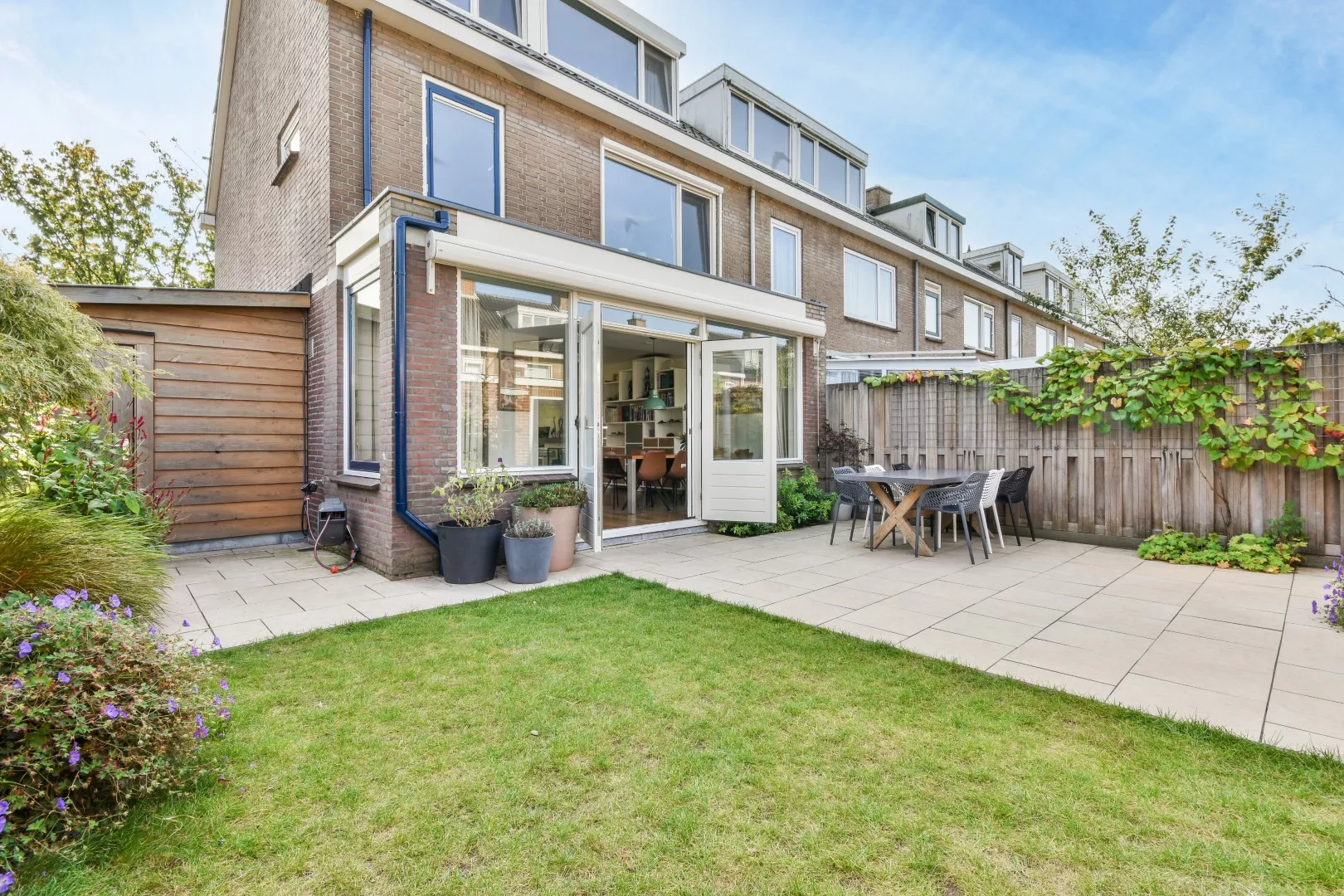
It’s tempting to think of a wraparound as simply two extensions bolted together. In practice, it’s significantly more complex than that, and understanding why matters when you’re comparing quotes or planning your budget.
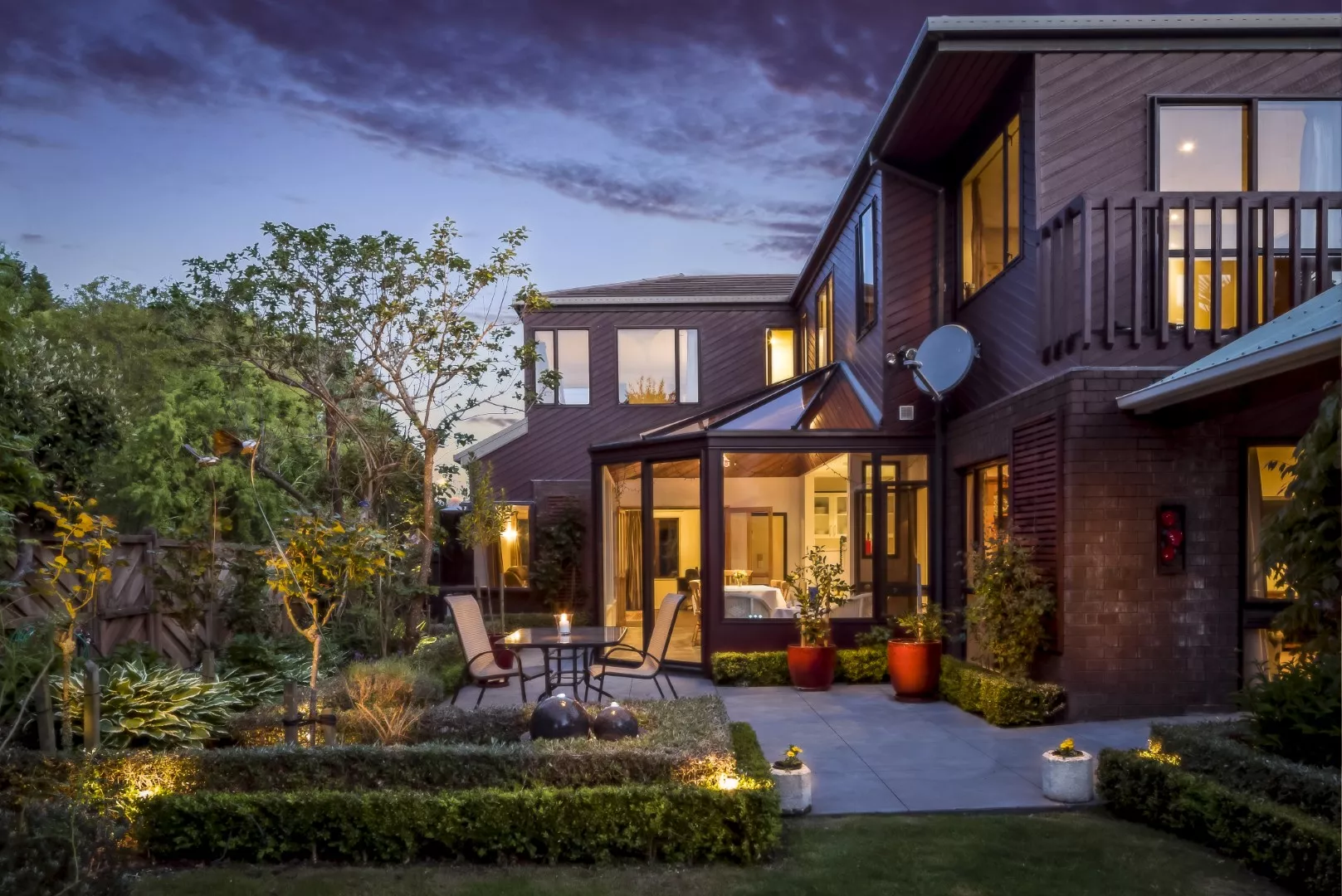
The structural challenge starts at the corner where the two sections of the extension meet. This internal corner needs to be handled carefully in terms of both structure and weatherproofing. The roof is more complex because it has to cover two different directions and meet in an internal valley that needs proper drainage. Depending on the design, this internal valley can be a flat roof section, a glazed rooflight, or a lantern, and each option has its own structural and cost implications.
The connection to the existing house involves opening up two walls rather than one, which means more steelwork, more structural engineer involvement, and a longer, more complex building process. The drainage for the extension also needs to be re-routed to account for the new footprint, which often involves moving existing drainage runs that weren’t designed with an extension in mind.
None of this is a reason not to do a wraparound. But it does explain why quotes for wraparound extensions are consistently higher per square metre than for a simple rear extension, and why the build programme takes longer.
Wraparound extensions in Manchester typically cost between £70,000 and £130,000 for a fully completed project, excluding kitchen fit-out and appliances. The range is wide because the cost depends heavily on the size of the footprint, the specification you choose, how much glazing you include, and the complexity of the structural work involved.
On a per square metre basis, wraparound extensions in Manchester run from around £2,000 to £3,200 per m² for the build itself. A typical wraparound for a mid-terrace or semi-detached Manchester home covers somewhere between 25 and 45 square metres, depending on the depth of the rear section and the length of the side return.
Here’s a realistic breakdown of what goes into the overall cost:
Structural and groundworks make up the largest single portion of the budget, typically 40 to 50 percent of the total. This includes foundations, the steel beams required to carry loads where walls are removed, and the structural frame of the extension itself. For a wraparound, structural costs run higher than for a simple rear extension because of the additional complexity at the corner and the need to open up two existing walls.
Roofing is the next significant cost. The most common roof choices for wraparounds are a flat roof with a large central lantern or rooflight, a combination of pitched and flat sections, or a fully glazed roof over part of the extension. A good roof lantern with a structural frame costs anywhere from £4,000 to £12,000 depending on size, and a quality installation matters because this is one of the most common sources of leaks on extensions built to a lower specification.
Bi-fold or sliding doors to the garden typically cost £3,500 to £8,000 for aluminium framing at a quality standard that won’t cause problems with seals and operation within five years. Avoid cheap alternatives here. The back of your extension is fully exposed to Manchester weather, and you’ll notice the difference between a well-specified door and a budget option within two winters.
First and second fix plumbing and electrics, plastering, and flooring typically add another £15,000 to £25,000 to the overall project cost. If you’re relocating the kitchen into the new space, allow additional budget for the plumbing reconfiguration.
Professional fees including architectural drawings, structural engineering calculations, building regulations applications, and planning fees typically add 8 to 12 percent to the overall build cost. For a £90,000 wraparound, that’s £7,200 to £10,800 in professional fees that need to be budgeted separately.
Always include a contingency of at least 10 to 15 percent. Wraparound extensions on older Manchester terraces frequently uncover drainage issues, unexpected foundation depths, or structural quirks that add cost mid-project. Having contingency budget avoids the painful conversation about what to cut once work has already started.
This is the most important question to get right before you commit to anything, and the honest answer is: almost certainly yes.
Wraparound extensions almost always require full householder planning permission. The reason is that they combine a side extension with a rear extension, and the side element is the critical factor. Under permitted development rights, each element of an extension is judged independently, but side extensions come with strict limits: they cannot exceed 50 percent of the width of the original house, and on designated land, side extensions aren’t permitted development at all. The combination of side and rear that defines a wraparound almost always exceeds what permitted development allows when taken as a whole.
The HomeOwners Alliance’s guidance is clear on this point: combining a side and rear extension to form a wraparound means a full planning application is likely required because the space typically needed exceeds permitted development limitations.
That means submitting a householder planning application to Manchester City Council. As of 2026, the fee for a householder application in England is £258. The application will include architectural drawings, an existing and proposed floor plan and elevation, and in some cases a design and access statement. The council has eight weeks to determine the application, though in practice it often takes closer to ten to twelve weeks.
Manchester City Council’s planning rules apply on top of national guidelines. Manchester has Article 4 Directions in certain areas that remove permitted development rights entirely, and conservation areas covering parts of Didsbury, Ancoats, Levenshulme, and other neighbourhoods impose additional design requirements. If your property is in a conservation area, the materials you use, the roof design, and even the window specifications may be subject to conditions.
The key design factors that planning officers in Manchester assess for a wraparound application are the impact on neighbouring properties in terms of daylight and overshadowing, the relationship of the extension to the rear boundary, whether the materials match or complement the existing house, and whether the side elevation creates any overlooking issues. Side-facing windows in a wraparound extension must be obscure-glazed if they’re within sight of a neighbouring property.
Regardless of planning permission, building regulations approval is required for a wraparound extension without exception. This covers the structural integrity of the build, thermal performance under Part L of the Building Regulations, drainage, fire safety, and ventilation.
For a wraparound extension, your structural engineer’s calculations are a core part of the building regulations submission. The inspector will visit at various stages during the build including foundation inspection, steel beam installation, roof structure, and final completion. Your contractor should manage this process, but you should confirm before signing a contract that they are familiar with Manchester City Council’s building control team and understand the inspection sequence.
The Party Wall etc. Act 1996 will almost certainly apply to a wraparound extension in Manchester. If the side return section runs along a shared boundary wall, you are legally required to serve written notice on your neighbour before starting work. For a mid-terrace property, you may need party wall agreements with two neighbours. Allow two months for this process and budget £1,000 to £2,500 for party wall surveyor costs if your neighbour requires a surveyor of their own.
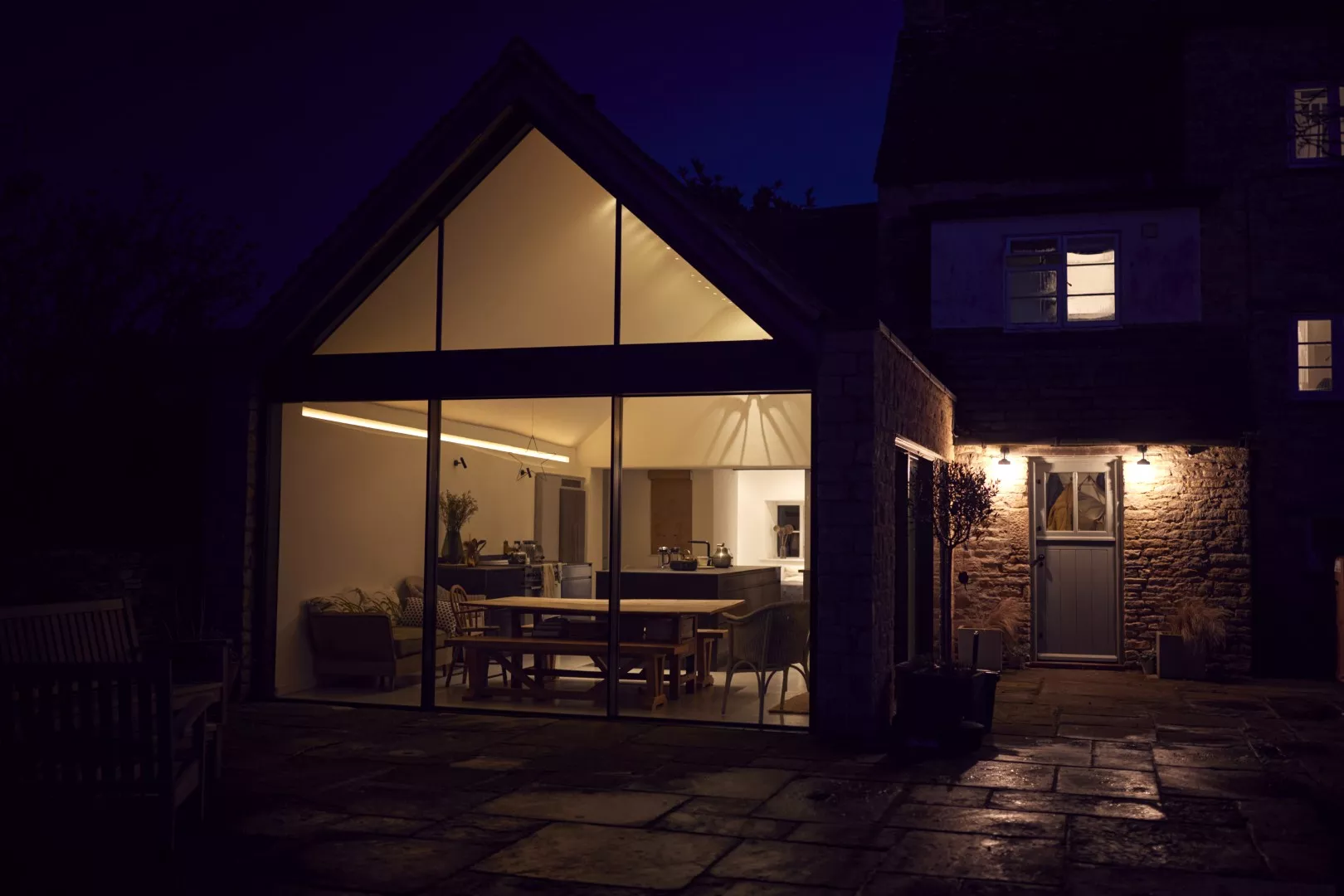
The layout decisions you make during the design phase define how well the finished extension works every day. A few things to get right:
In most wraparound layouts, the cooking zone works best at the rear of the original house or in the extension closest to the garden, with dining and seating moving toward the garden end. This creates a natural flow from cooking to eating to outdoor space, and it means the main work surface has access to natural light from both the glazed rear elevation and any rooflights overhead.
The internal corner of a wraparound is typically the darkest point of the new space because light can’t reach it from either the rear or side glazing directly. A well-positioned rooflight or lantern over this area transforms what could be a gloomy corner into the brightest point in the room. Get this right in the design phase; adding a rooflight retrospectively once the roof is built is expensive.
The side wall of the wraparound is visible from the garden and often from neighbouring properties. Some homeowners opt for a clean brick finish to match the original house. Others use the side wall as a feature, incorporating high-level obscure glazing to bring light in while maintaining privacy. What you shouldn’t do is treat it as a blank afterthought; it’s one of the most visible elevations once the extension is built.
A common mistake in wraparound designs is treating the entire new footprint as one large open space without retaining a utility area. The wraparound often gives you enough square metreage to include a utility room or boot room alongside the main living space. Having somewhere to keep the washing machine, coats, and general household clutter separate from the kitchen makes the open-plan space feel permanently tidy rather than permanently busy.
If your wraparound extension is large enough, incorporating a downstairs toilet significantly improves the functionality of the ground floor, particularly for families with young children. It also adds meaningful value when the property is sold. The extra plumbing cost is modest compared to the overall project budget and far cheaper than adding it retrospectively.
Planning will often require that external materials match or closely complement the existing house. But beyond the planning requirement, it’s simply the right design decision. A wraparound on a red-brick Victorian terrace should use matching or complementary brick rather than render or cladding that looks like a different building has been attached to the back. The best wraparounds look like they were always meant to be there.
The build programme for a wraparound extension is longer than a simple rear extension. From the moment you instruct an architect to the day you’re using the new space, you’re typically looking at nine to fifteen months in total when you account for the design phase, planning application, building regulations, and then construction.
The design and planning phase takes around three to five months. Architectural drawings, structural engineer involvement, planning application submission, and the eight to twelve week council determination period all add up before a brick is laid.
The construction phase itself typically runs from fourteen to twenty weeks on site, depending on the size of the project and how complex the structural work turns out to be. Wraparounds are longer to build than rear extensions because of the additional structural complexity, the corner roof detail, and the need to manage two sets of wall openings rather than one.
A wraparound extension is one of the most significant and complex building projects a Manchester homeowner can undertake. The planning process, structural design, and on-site coordination all require experience and care that makes the difference between a project that runs smoothly and one that drags on, costs more than it should, and causes problems years later.
Dream Homes Construction manages wraparound extensions throughout Greater Manchester from initial design through to completion. We handle the planning application, building regulations, structural engineer coordination, and every trade on site under one contract. Dream Homes Construction is known for its reliable, highly skilled tradespeople and its full-service approach, covering design, build and completion. Every project is covered by public liability insurance and a works warranty for total peace of mind.
If you’re thinking about a wraparound extension and want an honest assessment of what’s realistic for your property and budget, get in touch for a free initial consultation.
